Destination Wedding Videography: When the Place Becomes Part of the Story


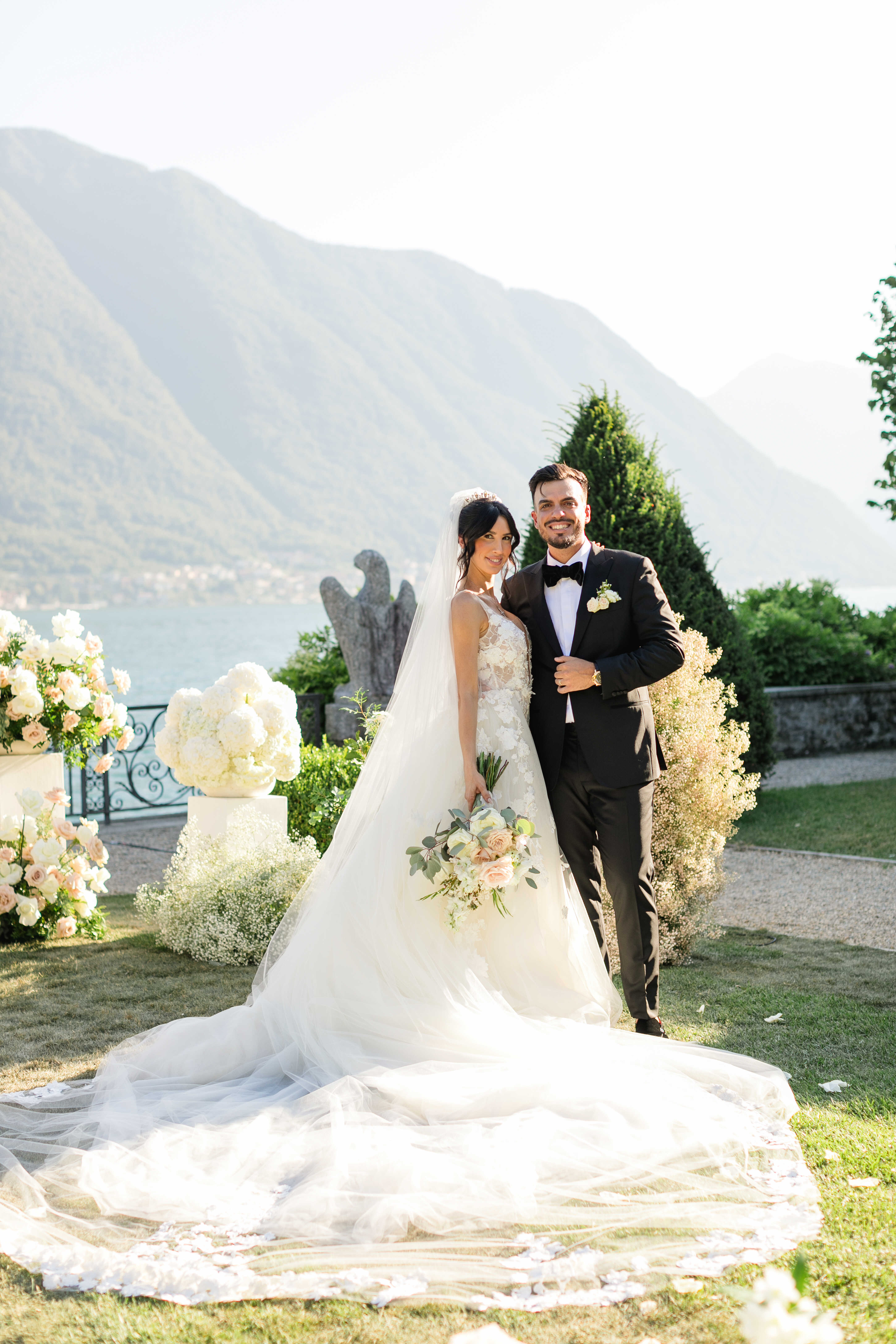
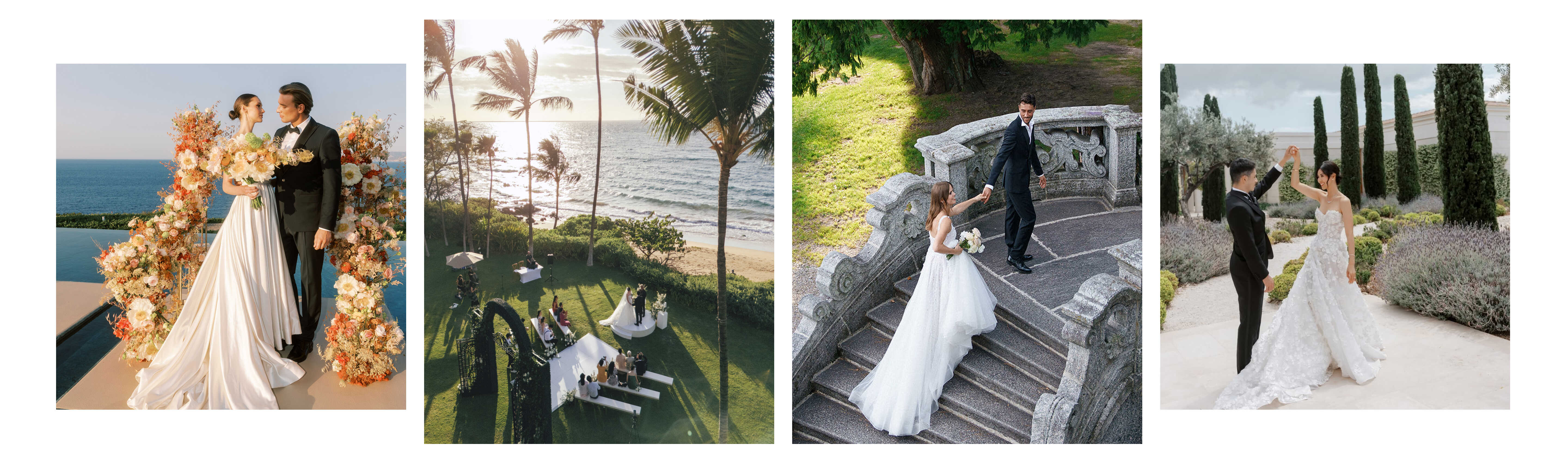
There are wedding films, and then there are destination wedding films. The difference isn’t just geographical — it's when a couple watches their video back and realizes that the location itself is part of the story. It's the light over the Amalfi Coast at six in the evening. The way the wind moves through a Mexican hacienda courtyard just before the ceremony begins. The particular stillness of a Hawaiian beach at sunrise. None of these moments happen by accident, and they don't belong to the couple alone — they belong to the place they chose for their wedding.
Enduring films aren’t just records. They capture a place through the lens of a love story. This is harder than it seems—it starts with understanding what destination wedding videography requires.
Find Your Perfect Wedding Vendors

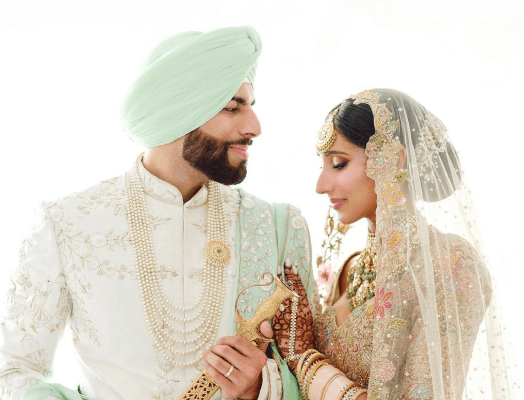
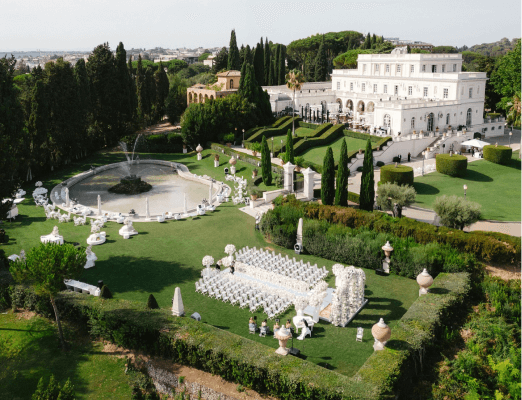
Why Destination Wedding Videography Is a Different Form of Art


A wedding film shot at a local venue and a destination wedding video are technically the same product. They use the same camera, editing process, and final file format. However, the craft involved in creating them is genuinely different, and this is evident on screen.
At a local wedding, the videographer knows the lighting. They’ve shot the venue or similar ones. They know when the sun hits the ceremony space, which corners go dark, and how the acoustics behave during vows. This knowledge is invisible yet evident throughout the film.


A destination wedding videographer arrives without that knowledge. They are working in a new place, often in a different country where they don’t speak the language, and they have no room for error in their schedule. The best videographers turn this newness into a strength: they see the location with fresh eyes, notice details that locals may have overlooked for years, and offer a unique perspective on a place that has been photographed many times before. Those who struggle create beautiful images that could have been taken anywhere.
In the best destination wedding films, the location isn’t just a backdrop. It’s a character. A videographer who understands this creates a film that feels as though it could belong to no other couple, in no other place, on no other day.
What to Look for in a Destination Wedding Videographer


At Wezoree, we’ve seen hundreds of destination weddings featured in our Real Weddings section. The films that make the biggest impression on us are not necessarily the ones with the best equipment or editing style. Our editorial team has developed an unspoken checklist based not on theory, but on what distinguishes films that move people from those that merely document.
The first thing we look for in a destination wedding photographer or videographer's portfolio isn't technical quality. Technical quality is expected at this level. What we look for is proof of the location. Does the location feel like it's part of the film, or just the backdrop? Does the lighting look natural or contrived? A videographer who really understands destination work uses their surroundings as much as their camera.
The second thing we look for is the ability to tell a story. Destination weddings usually last more than one afternoon — there are welcome dinners, next-day brunches, guests coming from many countries, and moments before the ceremony that are just as emotional as the ceremony itself. A videographer who can capture a story over several days is doing something very different from someone who only films for a few hours and provides a brief summary.
Then there’s the practical side, which often matters more than couples realize:
- Traveling experience for work - including handling equipment, customs, backup gear, and insurance when crossing borders
- Knowledge of the destination's lighting conditions - such as the golden hour, which can look very different in different locations
- Ability to communicate across time zones - how quickly do they respond during the planning process when there is an eight-hour time difference?
- Connections with local vendors - a videographer who has worked in the area before will have contacts that will help make the day run smoothly
- Clear contract details on travel costs - flights, accommodation, and daily expenses should be listed separately, rather than being included in a package price
The couples who are happiest with their destination wedding films are not necessarily the ones who hired the most technically impressive videographer. They’re the ones who hired someone who understood that the film was as much about the place as it was about the wedding.
How Your Destination Shapes the Film You'll Get


A wedding film shot in Tuscany will look very different from one shot in Hawaii, even if both were made by equally talented videographers with identical equipment. The environment isn't just a backdrop; it actively shapes the visual language of anything filmed within it.
Destinations with historical architecture, such as Italy, parts of France, and Portugal, tend to produce films with weight and gravitas that cannot be manufactured by production design alone. A wedding videographer shooting in Italy works with centuries-old stone and light that turn golden earlier and stay warmer longer than almost anywhere else in Europe. The best videographers deliberately use these features, employing slower cuts and longer holds to create a timeless feel.
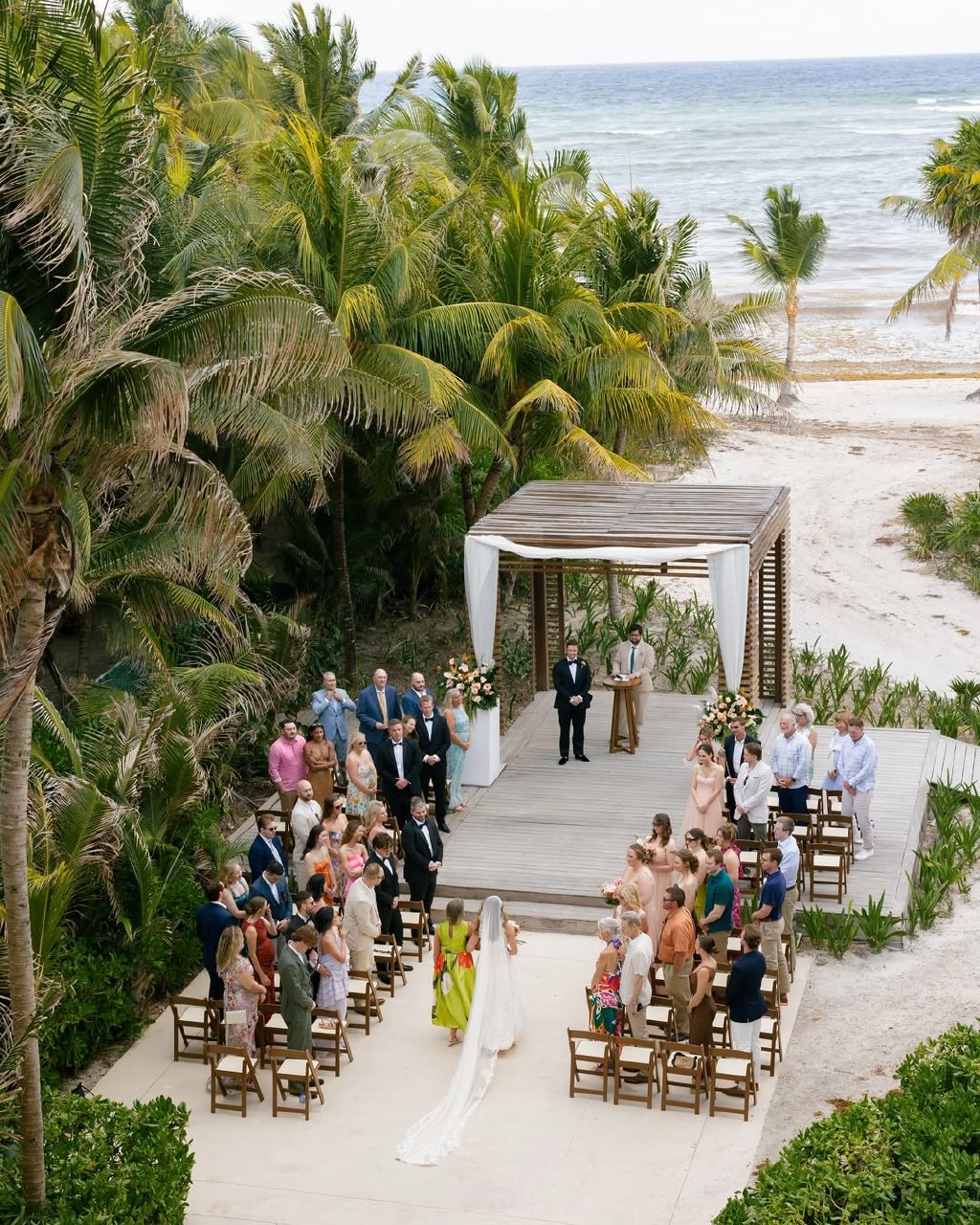
Ocean and landscape destinations operate on an entirely different level. A Hawaii destination wedding videographer is dealing with scale: volcanic mountains, an open Pacific horizon, and light that changes quickly and is intense. Films from these environments feel emotionally immediate rather than atmospheric, with the landscape making the couple feel simultaneously small and central.
Urban destinations such as London produce a different effect altogether — mood, density, and the sense that the world is moving around the couple rather than standing still for them. Places like Mexico offer color and cultural texture that neutral European palettes simply can't replicate. A Mexico destination wedding videographer working in San Miguel de Allende or the Riviera Maya allows the location's personality to become part of the story, rather than competing with it. The destination isn't just where the wedding happens. It's the first creative decision the film makes.
Destination Wedding Videography Ideas Worth Stealing


The film's format is almost as important as the footage inside it. Some of the most memorable destination wedding video ideas we’ve seen were made possible by structural choices that had nothing to do with the location itself.
The short-film style - a 5-8-minute video focusing on one story with the couple’s voices mixed in naturally - tends to remain fresh for the longest time. It’s long enough to feel relaxed and short enough to watch again easily. Couples who have watched their highlight reel many times often prefer the short film version of their wedding to the full-length video.
When used well, drone footage does something no camera on the ground can: it places the couple within the landscape rather than just in front of it. A destination wedding videographer in Europe using aerial shots of a Tuscan valley or a Greek cliff isn’t just showing the view; they’re also showing how small, perfect, and just right this moment was within something much bigger.
Incorporating local culture into the video gives destination wedding films a unique feel that generic travel videos lack. The sound of church bells in an Italian village, for example. A local musician is playing traditional music during the cocktail hour. The wall of a hacienda serves as a backdrop for a quiet moment between the couple. It's these details that make a film feel as though it was shot in one special place rather than on a set.
Finding Your Destination Wedding Videographer


One of the first practical decisions couples face is whether to hire a local videographer or bring someone from home - and there's no universal answer, only the right one for a given situation.
| Local Videographer | Videographer from Home | |
|---|---|---|
| Knowledge of destination | Deep — knows the light, venues, logistics | Limited — arrives fresh to the location |
| Creative relationship | Built during the process | Pre-existing — couple already knows their work |
| Travel costs | None or minimal | Flights, accommodation, per diems on top |
| Vendor connections | Established local network | Relies on couple or planner to bridge gaps |
| Availability | May book out fast in peak season | Limited by travel schedule |
| Best for | Couples who prioritise local expertise | Couples who found their videographer first |
A videographer specializing in destination weddings in Italy, who has shot fifty weddings on the Amalfi Coast, knows which terraces offer the best sunset views, which locations require permits, and which local suppliers they can trust to resolve any issues that arise. This expertise is invisible in the final film, yet it is evident throughout.
A videographer from back home offers something different: a pre-existing relationship with the couple, a familiar creative style, and the particular trust that comes from having worked together before. For couples who found their videographer first and fell in love with their work, the travel costs are often worthwhile.
At Wezoree, our directory brings both options together in one place. Browse wedding videographers from every corner of the world, whether you're looking for someone based in Houston with international experience, a New York team that travels for the right wedding, or a European specialist who has spent years building a portfolio in some of the most beautiful locations on the continent. You can view portfolios, reviews, and destination experiences before making contact, so the shortlist you build is already filtered by what actually matters.


FAQ
Should we hire a videographer based on our destination or bring ours from home?
Both options are viable, and the best choice depends on what matters most to the couple. A local videographer has unique knowledge of the destination, including the lighting conditions, planning requirements, and vendor contacts. A videographer from home, on the other hand, brings a creative relationship and a familiar style. If the budget allows, some couples hire both: a local team to cover the whole day and a traveling videographer to capture the more personal, cinematic moments.
How far in advance should we book a destination wedding videographer?
For popular destinations such as Italy, Mexico, and Hawaii, it is common to book 12 to 18 months in advance for the most sought-after videographers. Dates during the busy season fill up much faster than those in the off-season, and destination experts often have limited availability due to the travel required for each booking.
What should a destination wedding video package typically include?
Most packages include a set number of filming hours, a highlight video, a longer documentary edit, and delivery of the raw footage. When planning a destination wedding, it is important to check whether travel costs are included in the package price or listed separately, and whether the videographer has the necessary international travel insurance for their equipment.
How long does a destination wedding film usually take to deliver?
Delivery times vary by videographer, but most destination experts say eight to sixteen weeks for a finished film. More complex edits involving multi-day events, multiple locations, or longer documentary styles can take longer. Always check the contract's timeline before booking.


Is drone footage standard for destination wedding videos?
While drone footage is common, it isn’t included in every package, and some places don’t allow it. Always ask whether aerial footage is included in the package, and make sure the videographer has the necessary permits to use drones at your chosen destination, as rules vary widely by country and region.
How do we evaluate a destination videographer’s portfolio if we’ve never been to the location?
Focus less on spotting landmarks and more on how the location feels in the film. Does the lighting seem unique to that place? Does the pace allow the setting to shine? A videographer's technical and emotional skill in using a new environment tells you much more about their destination work than whether you can recognize the venue.