Indoor Wedding Photoshoot Ideas


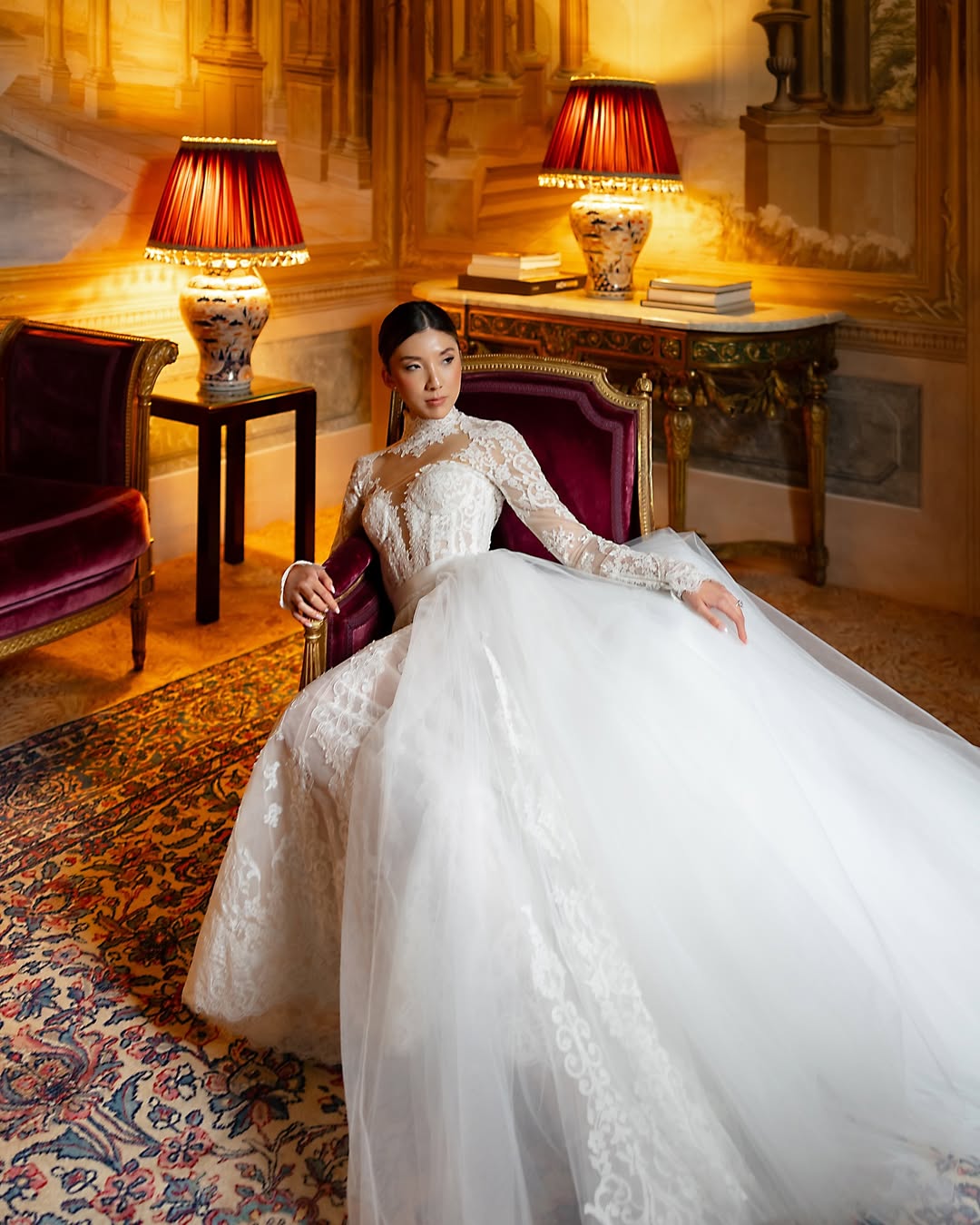
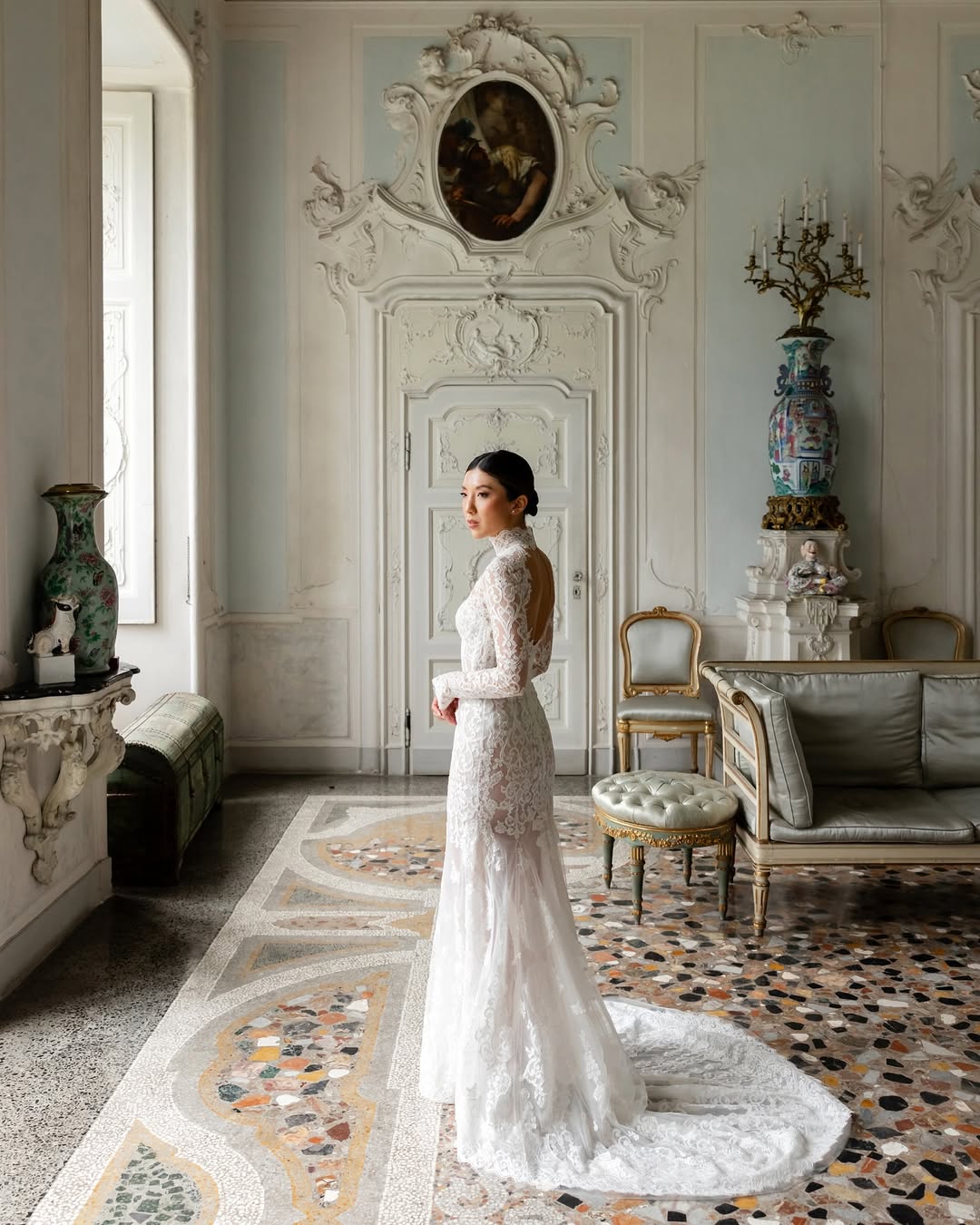
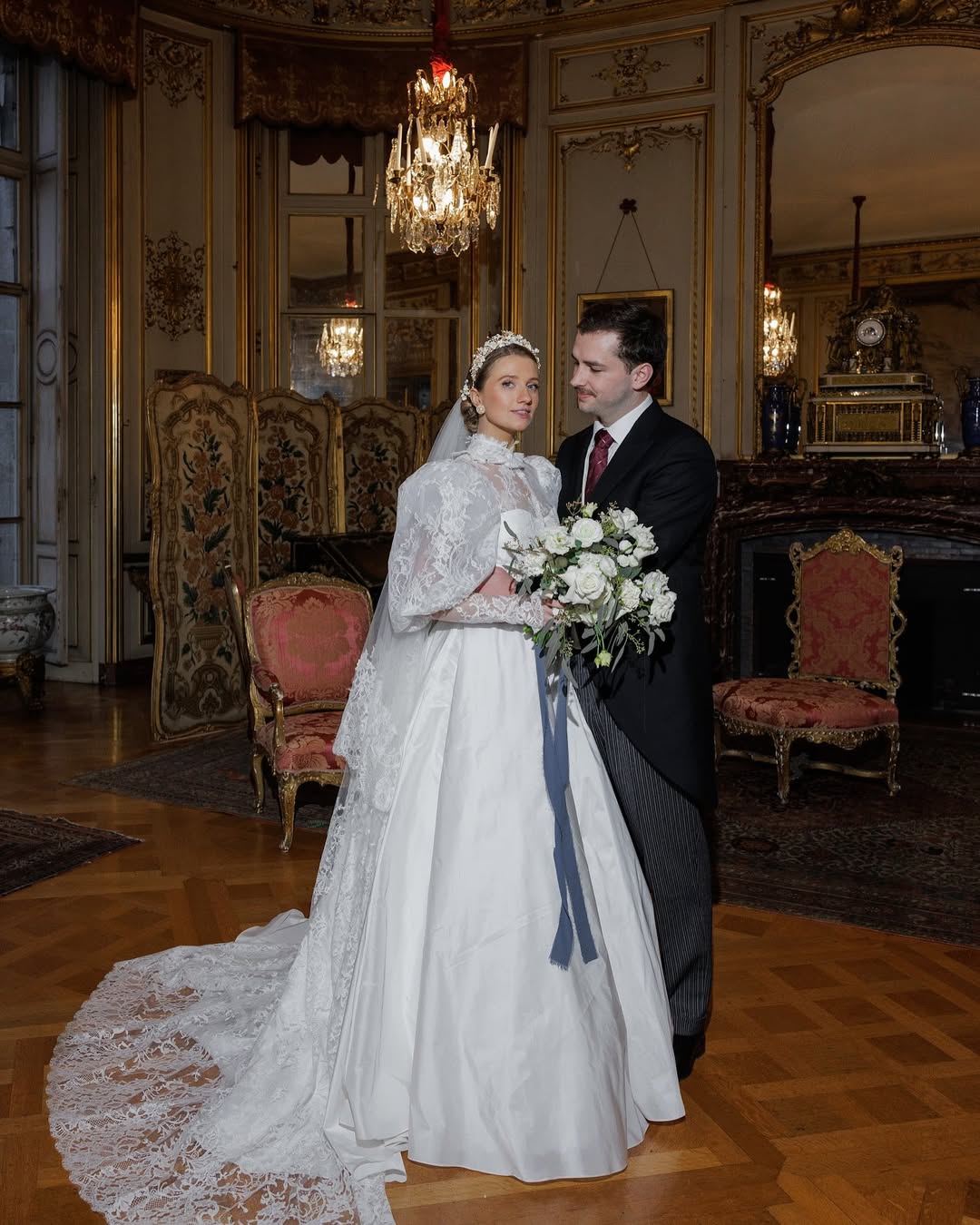
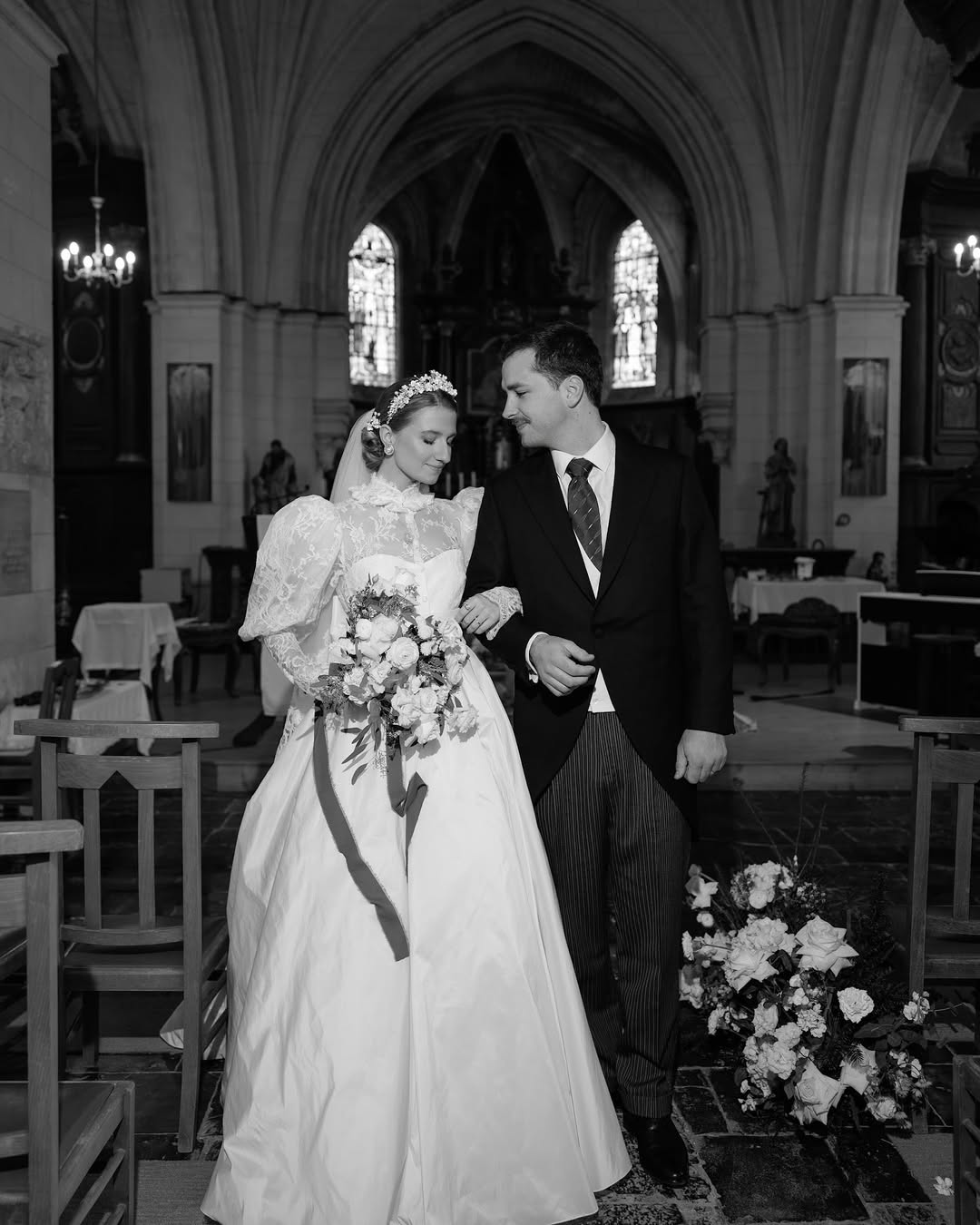
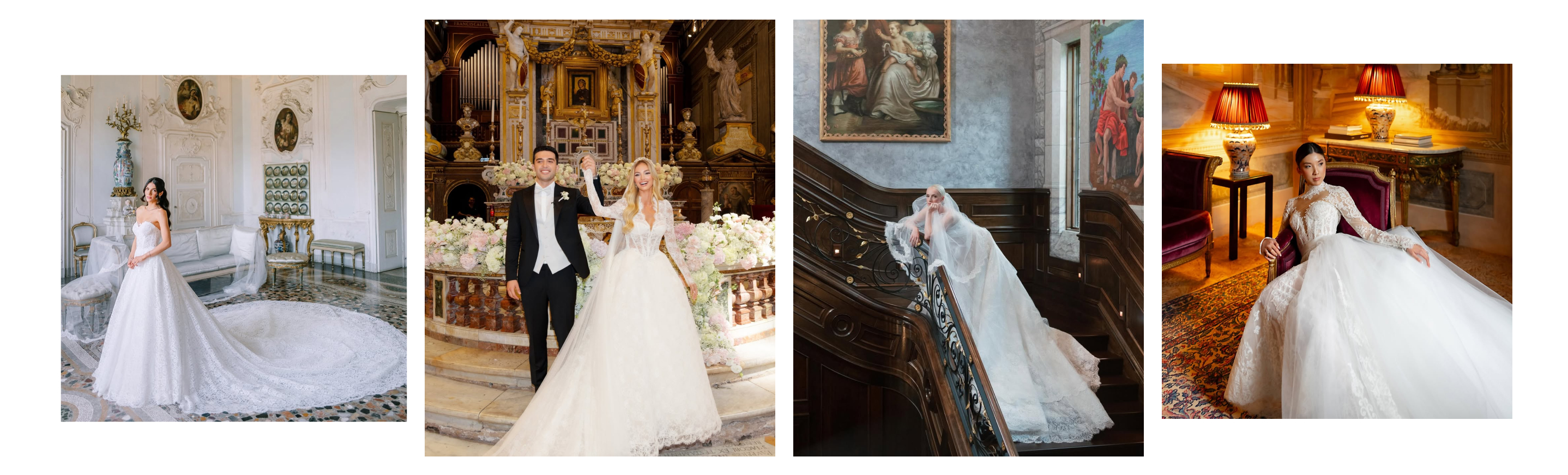
An indoor wedding photoshoot isn’t just a backup plan for bad weather. It’s a way to take control, set the scene, and tell your story with intention. While outdoor spaces can be unpredictable, interiors offer control over light, a sense of intimacy through architecture, and visual consistency no matter the weather. Great indoor wedding photography uses walls and ceilings as creative tools, guiding the viewer’s eye and shaping the mood with available light. This approach blends the style of fashion editorials with wedding photography, allowing each shot to be as carefully planned as a magazine photo because the environment stays consistent and supports your vision.
Find Your Perfect Wedding Vendors

When Architecture Sets the Rhythm
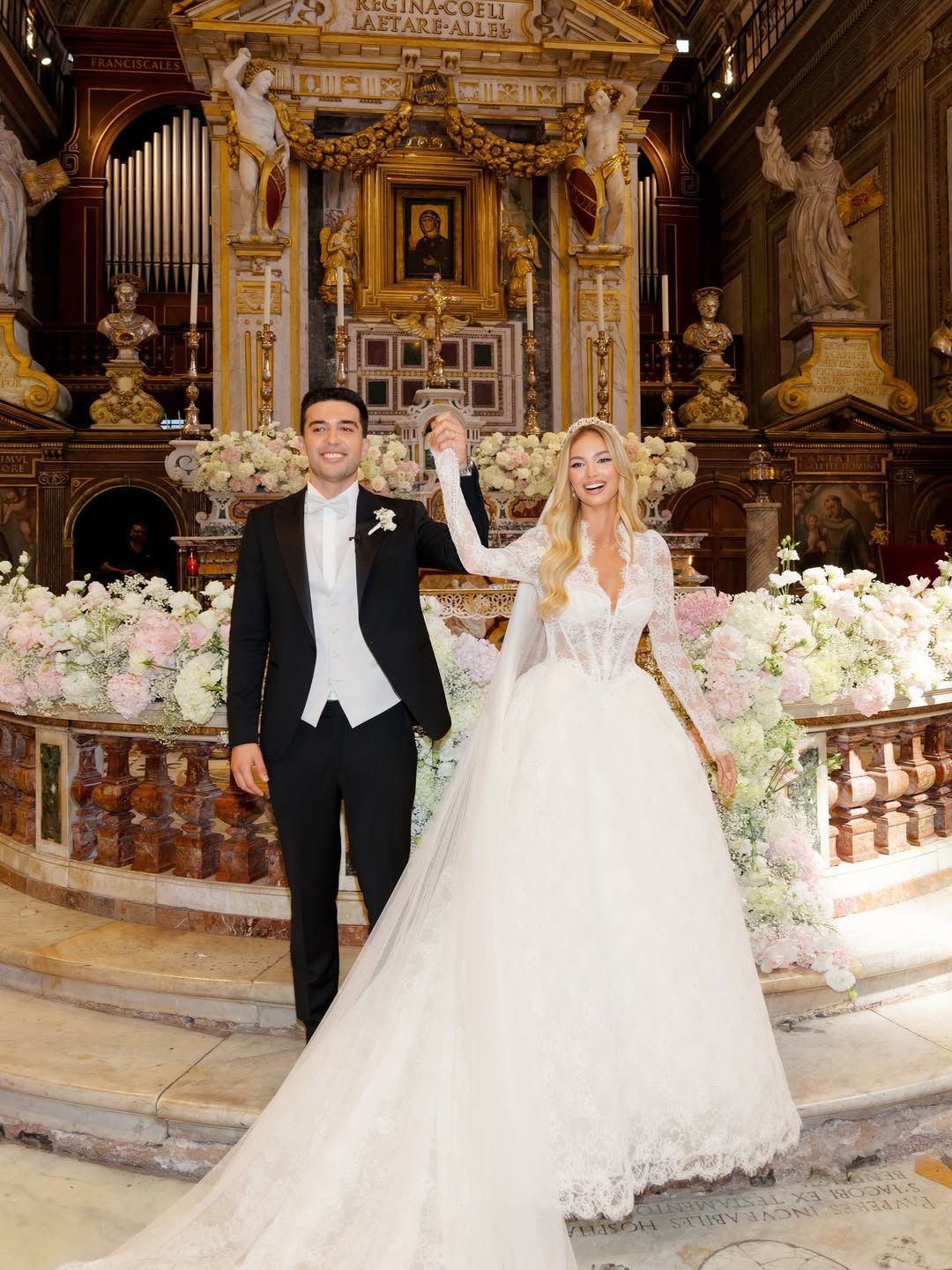
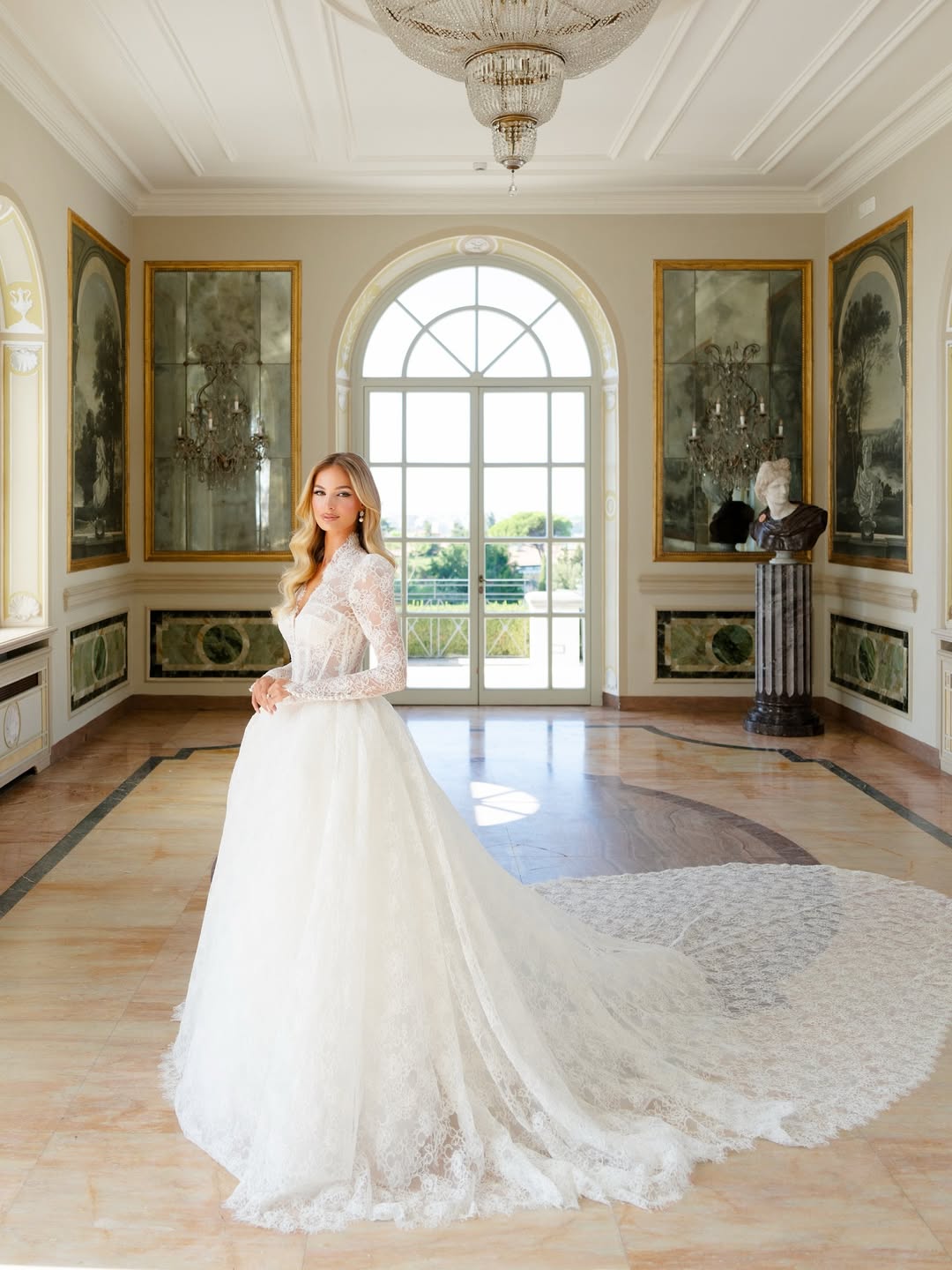
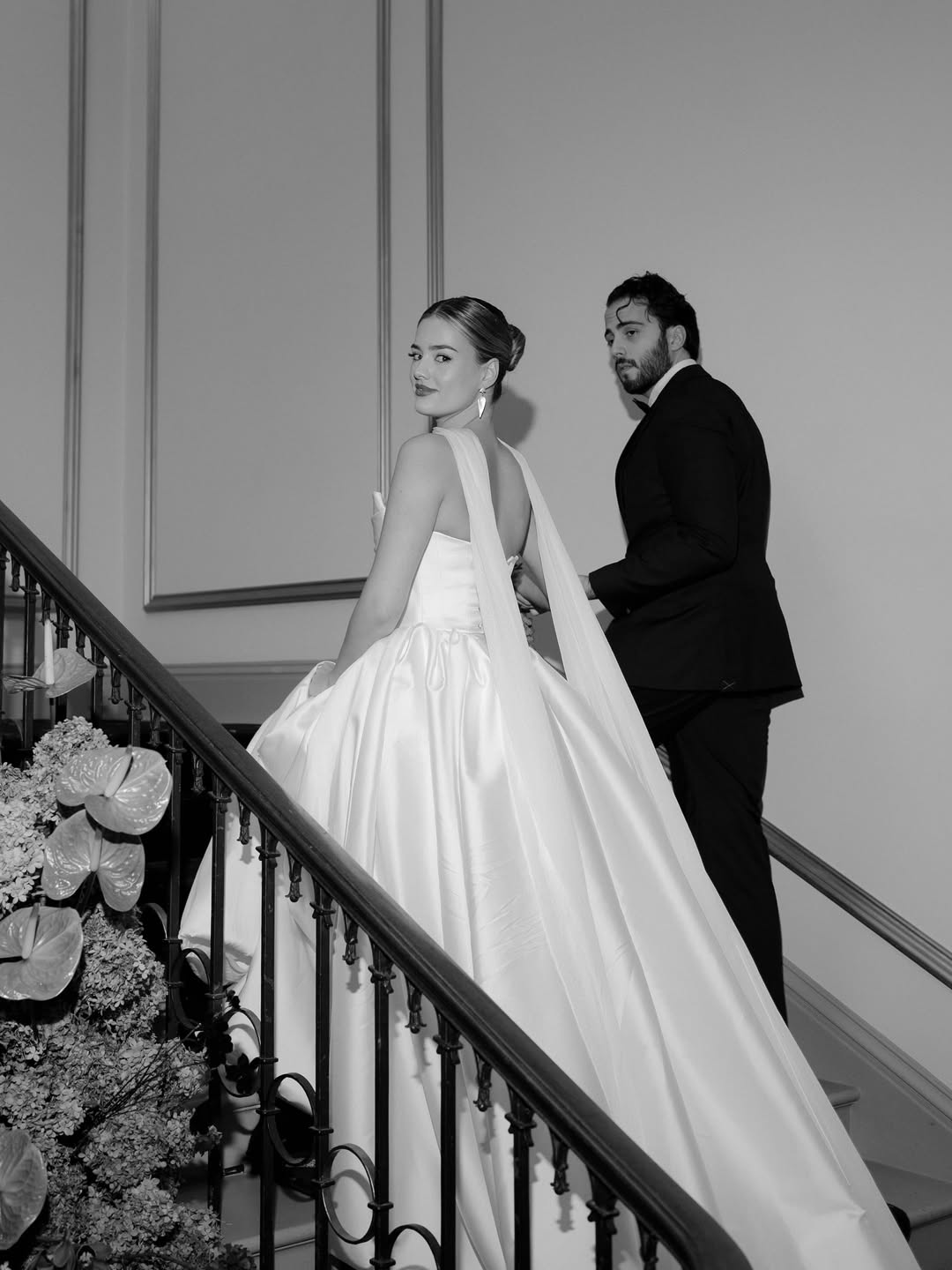
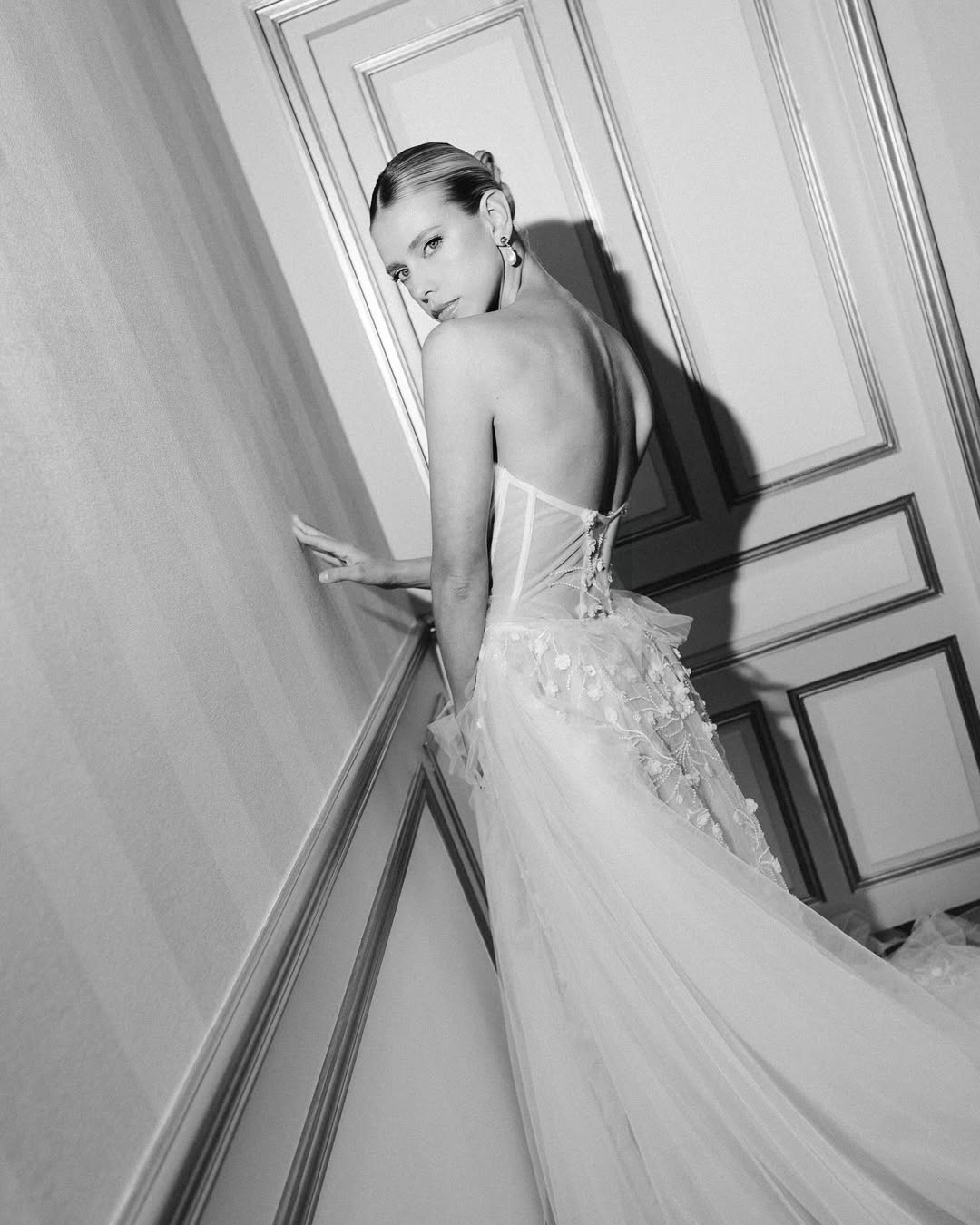
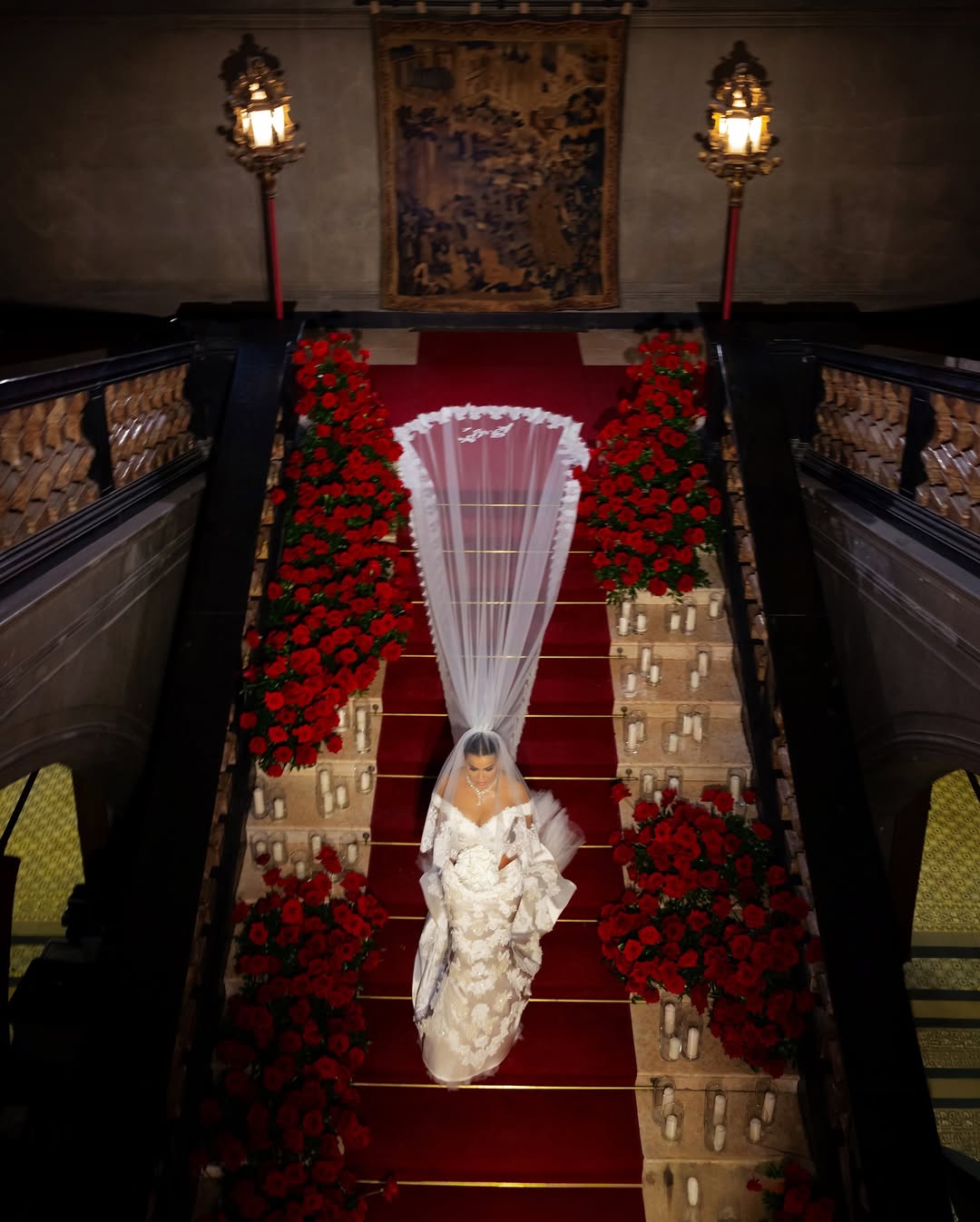
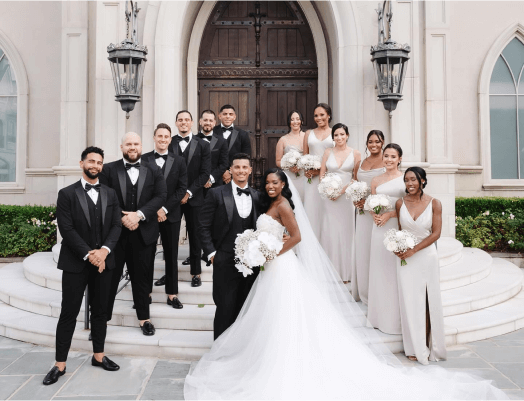
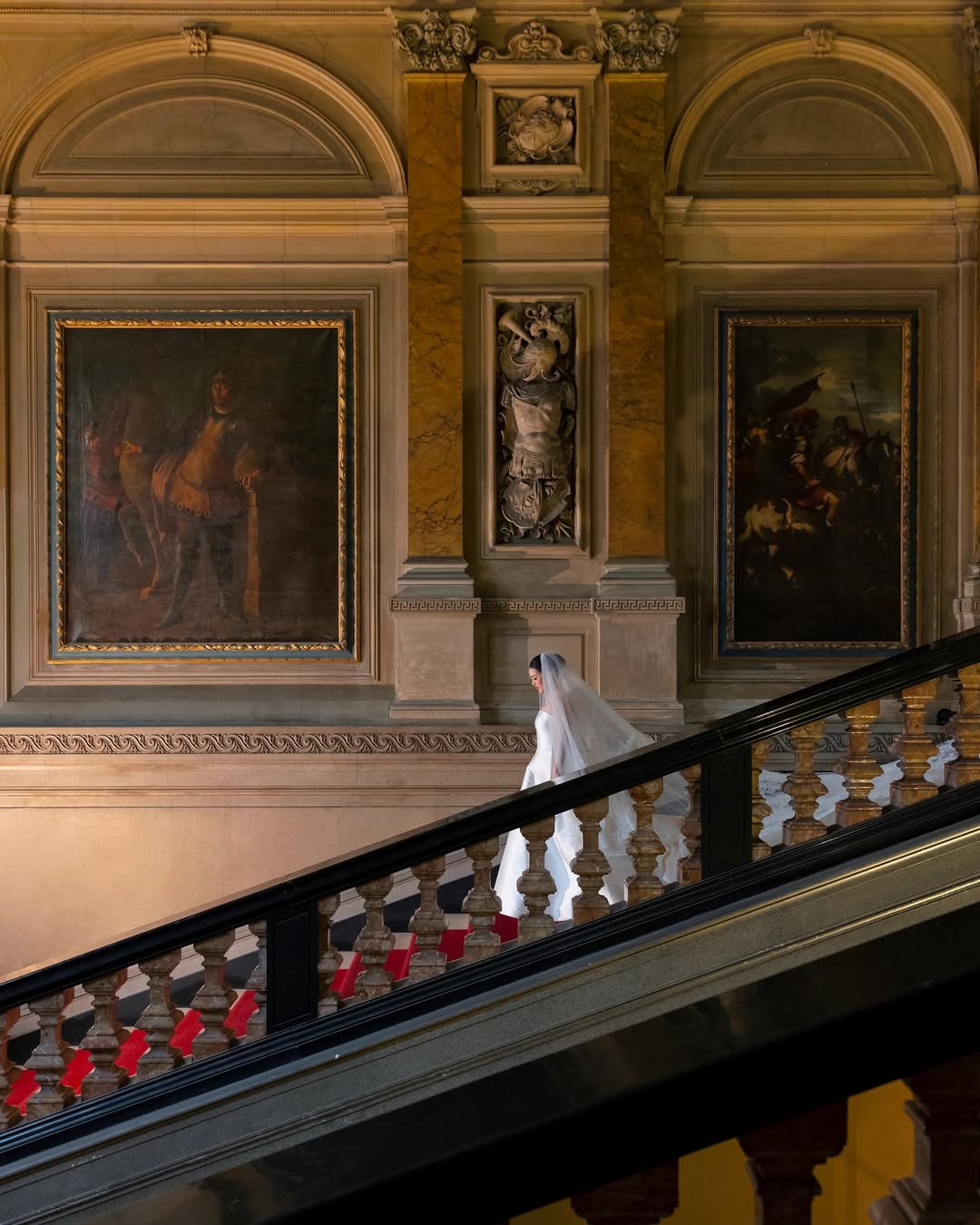
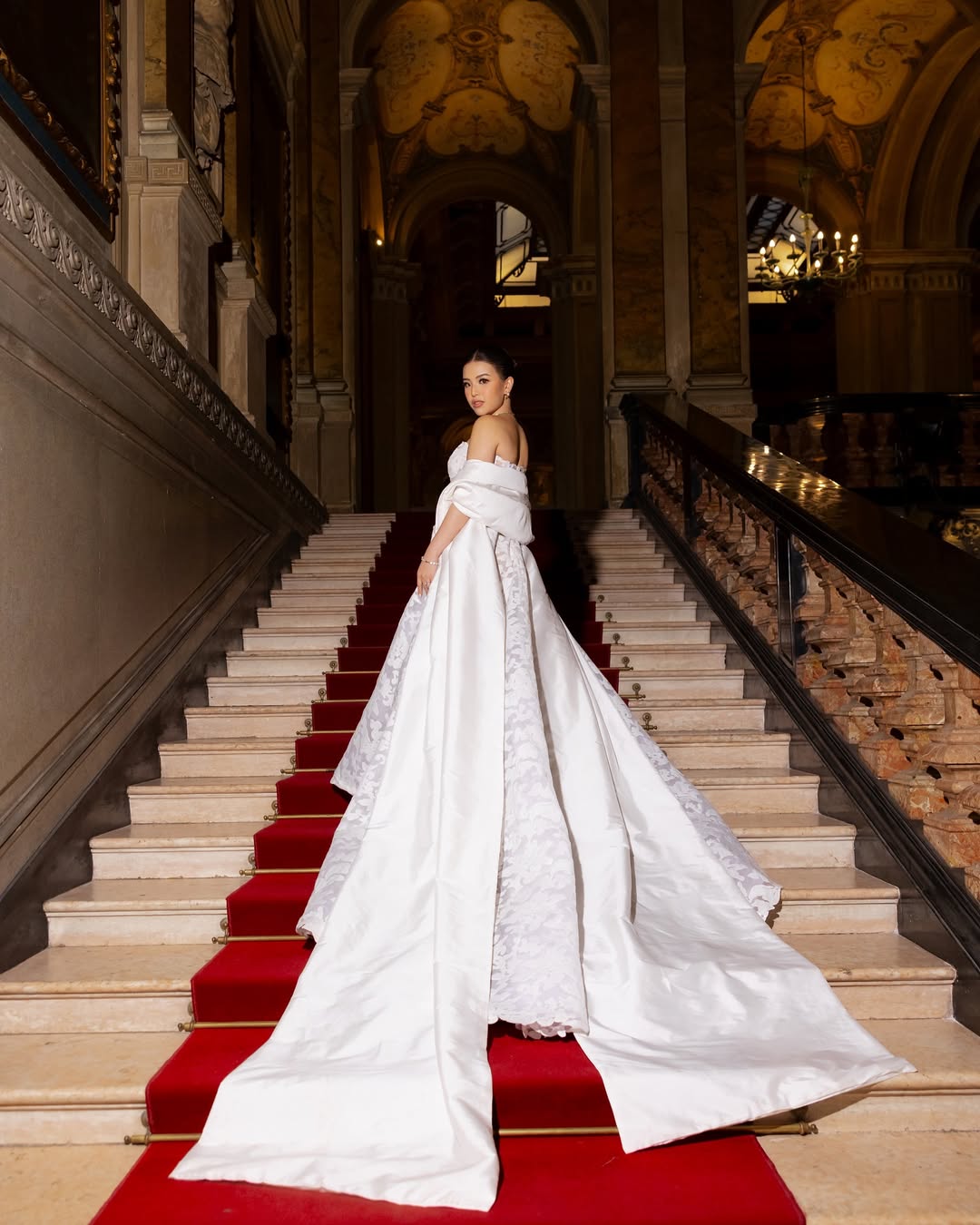
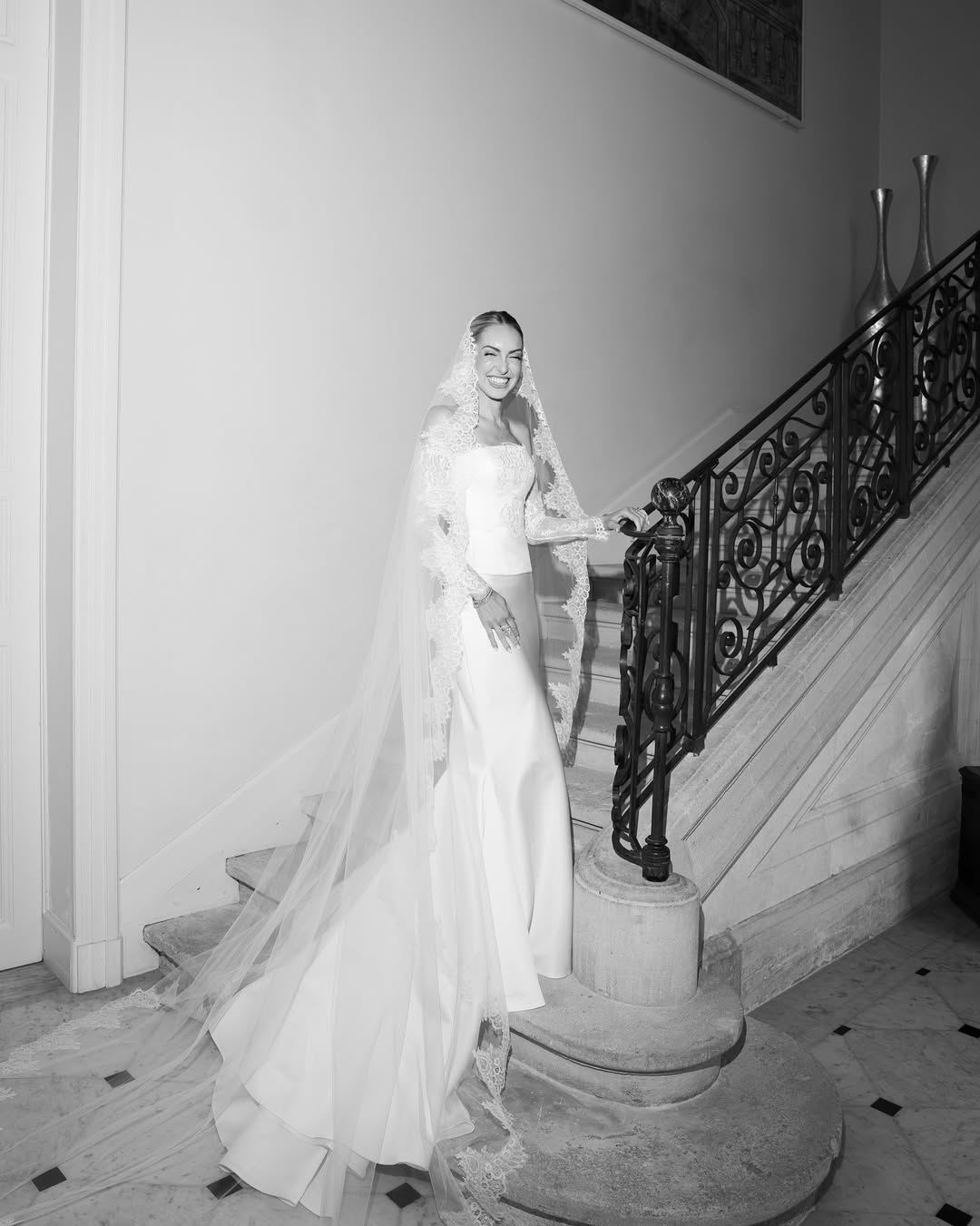
Majestic staircases, symmetrical hallways, arched doorways—these architectural elements create a natural composition, leading lines that draw the eye and create movement in a static space. For wedding photoshoots in a sturdy indoor setting, minimal decoration is required, as the structure itself serves as the aesthetic. A bride descending a staircase doesn't need elaborate floral arrangements when the curve of the banister and the stairs' descent create the necessary drama and visual flow.
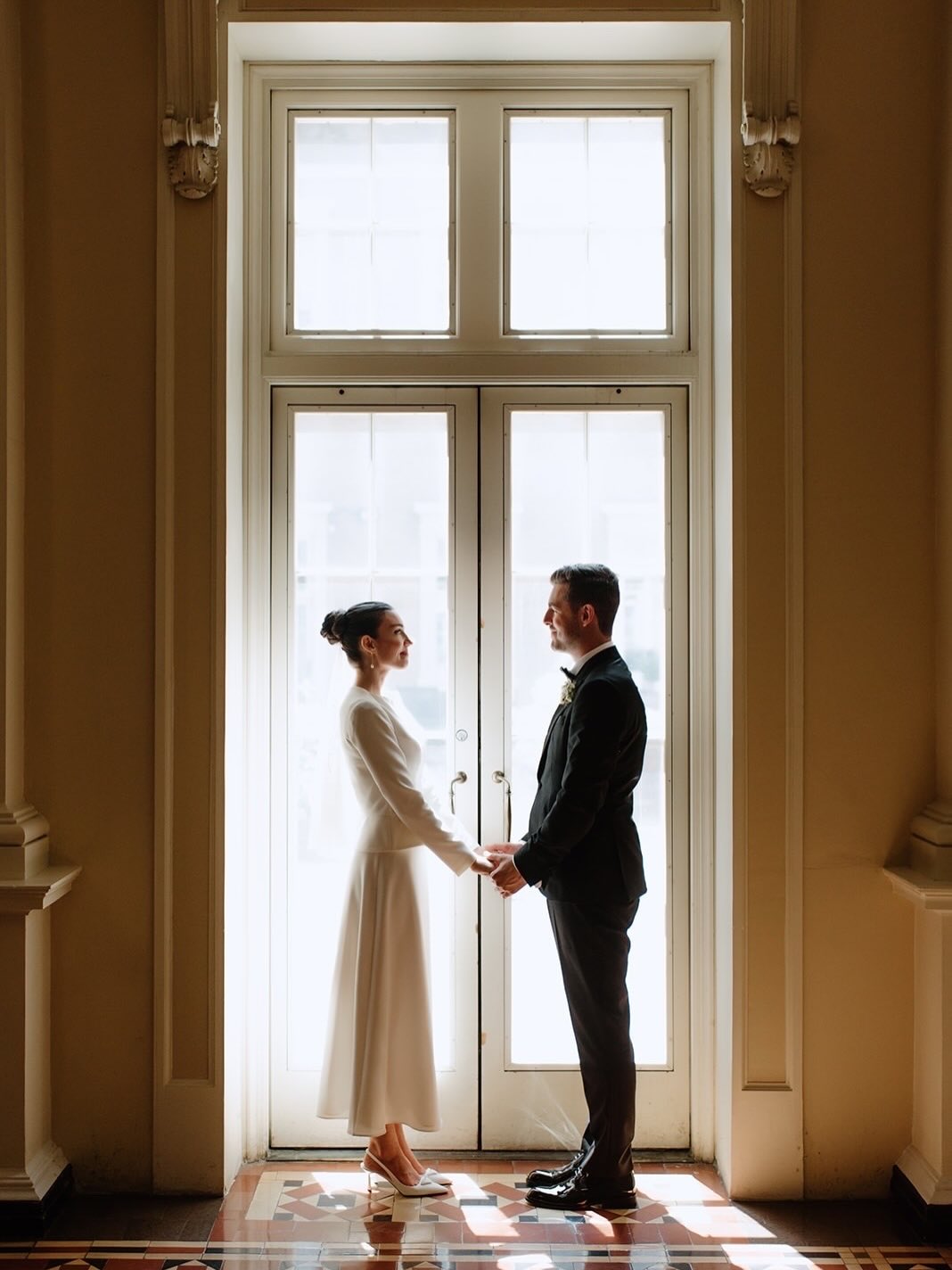
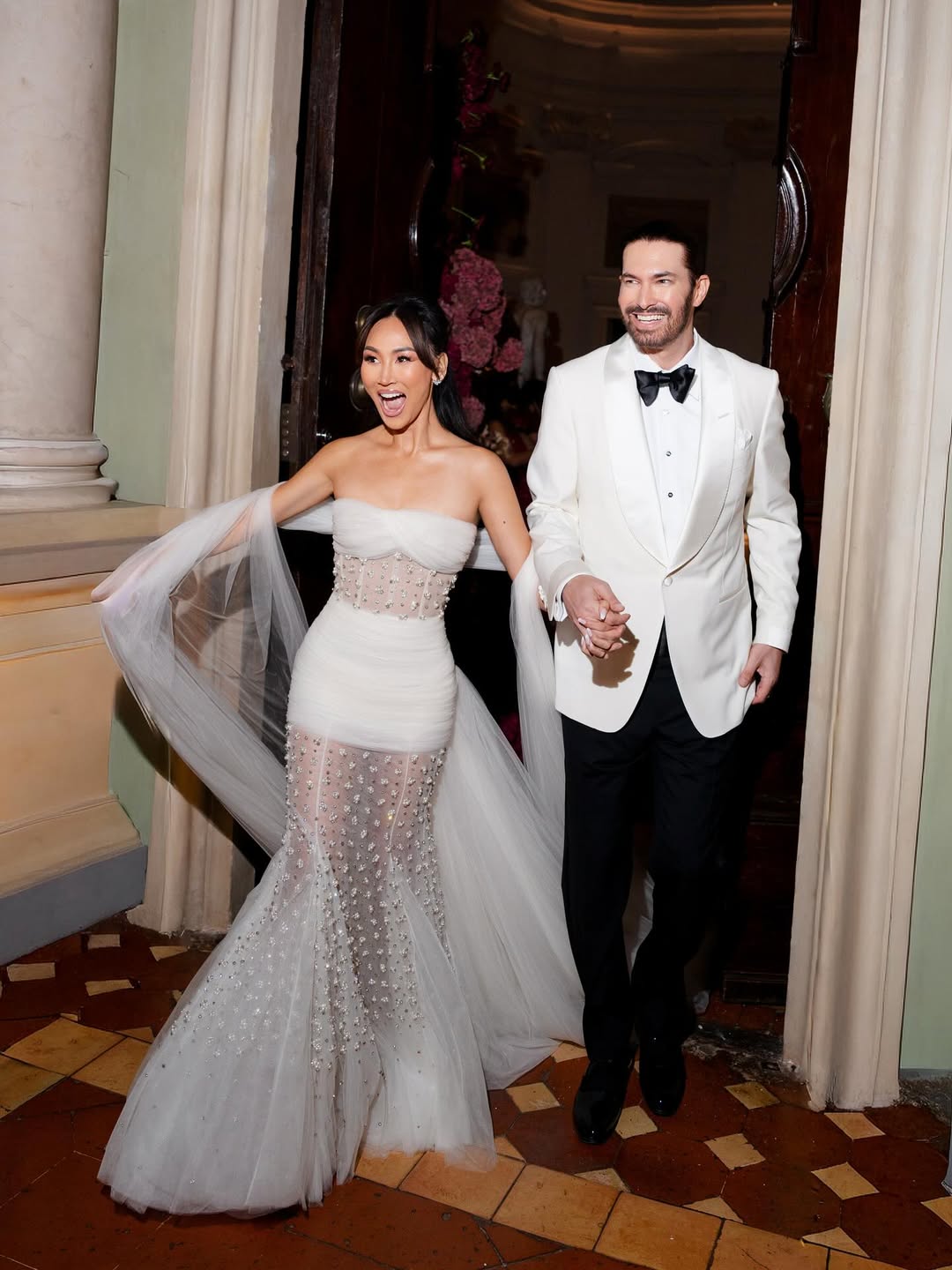
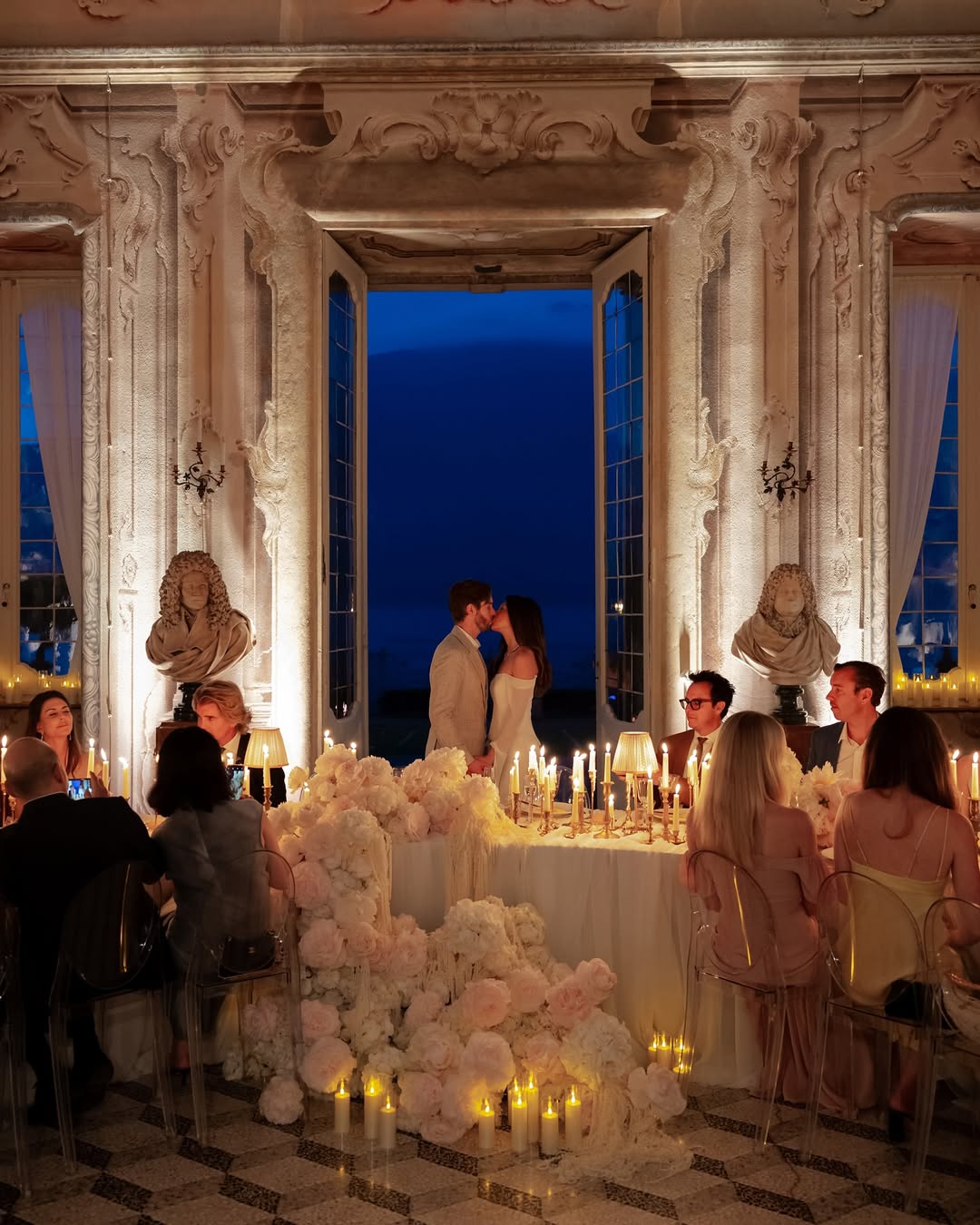
Symmetry is especially effective in indoor wedding photoshoots. A centered composition, a couple perfectly positioned within a doorway, standing on the axis of a symmetrical hallway, creates a formal elegance difficult to achieve outdoors. The limited space allows for precise positioning of subjects: they can be placed where architectural lines converge, where the light falls most effectively, and where the geometry of the space serves rather than contradicts the image.
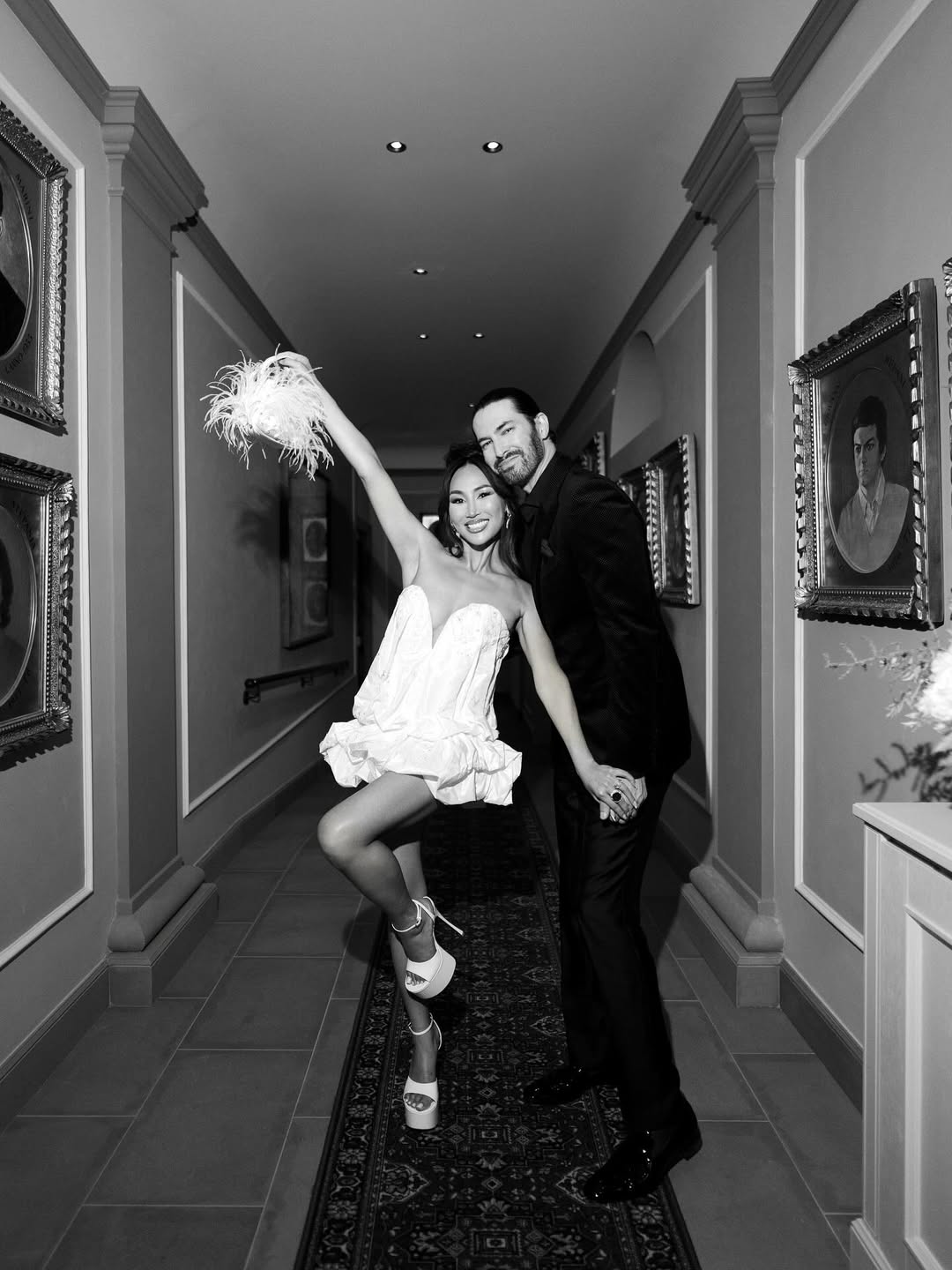
Movement indoors can be planned and repeated, unlike the unpredictability of outdoor shoots. Walking down a hallway, turning on a landing, or pausing in a doorway can be practiced until it looks just right. This consistency lets you focus on small details, like how someone tilts their head or where they place their hands. The final photos look natural but have a polished feel, thanks to careful practice.
Light That Lives Indoors
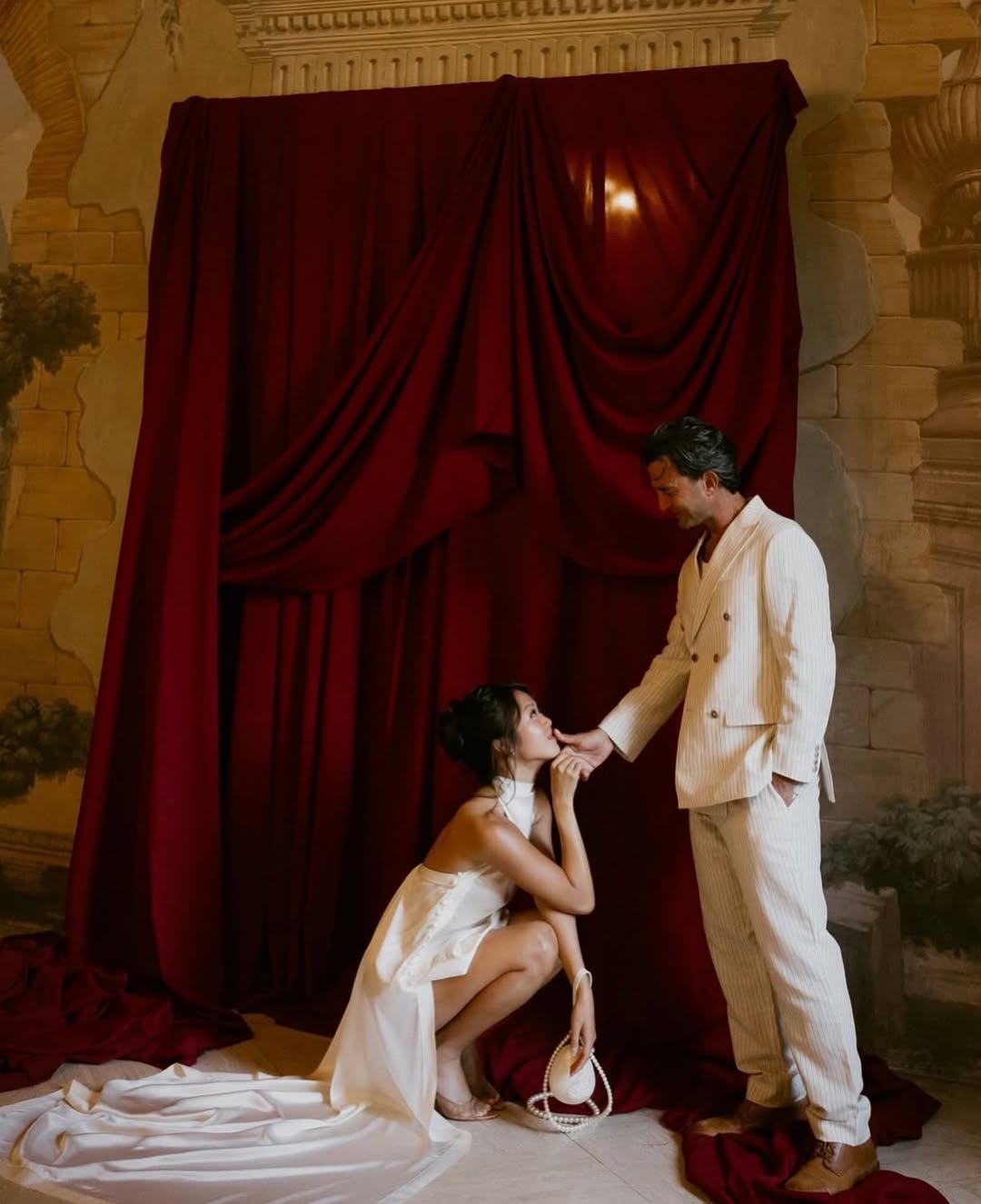
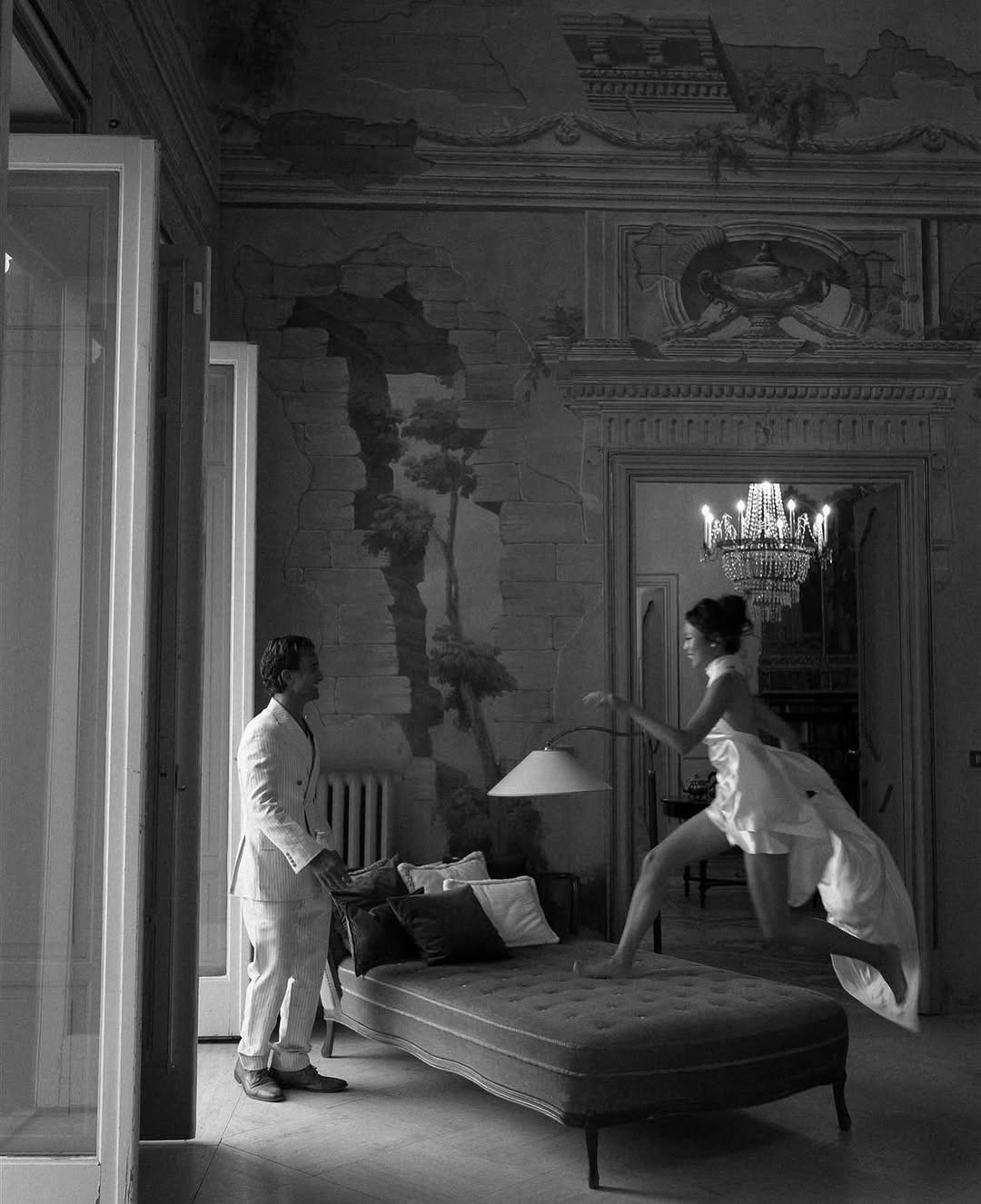
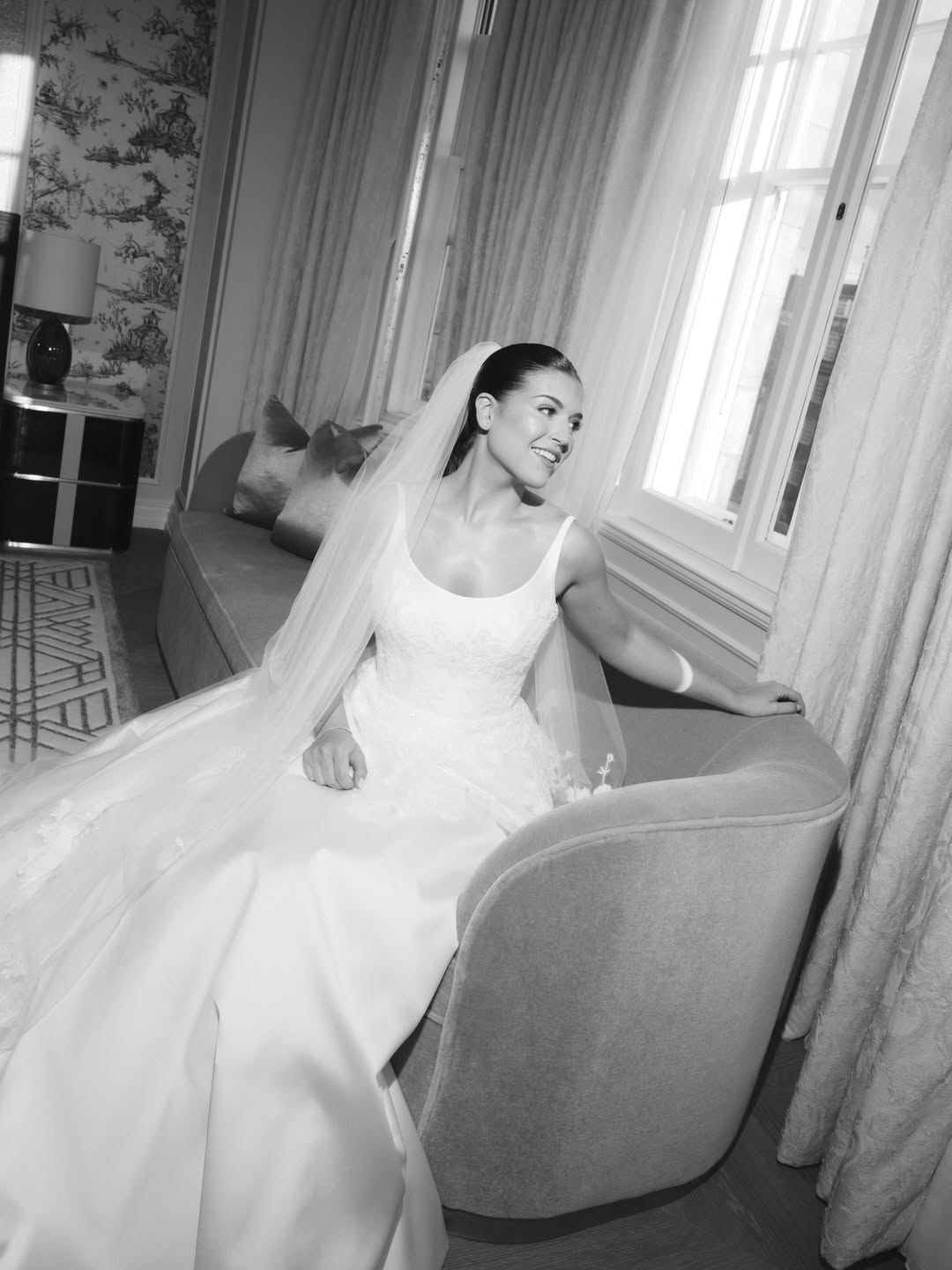
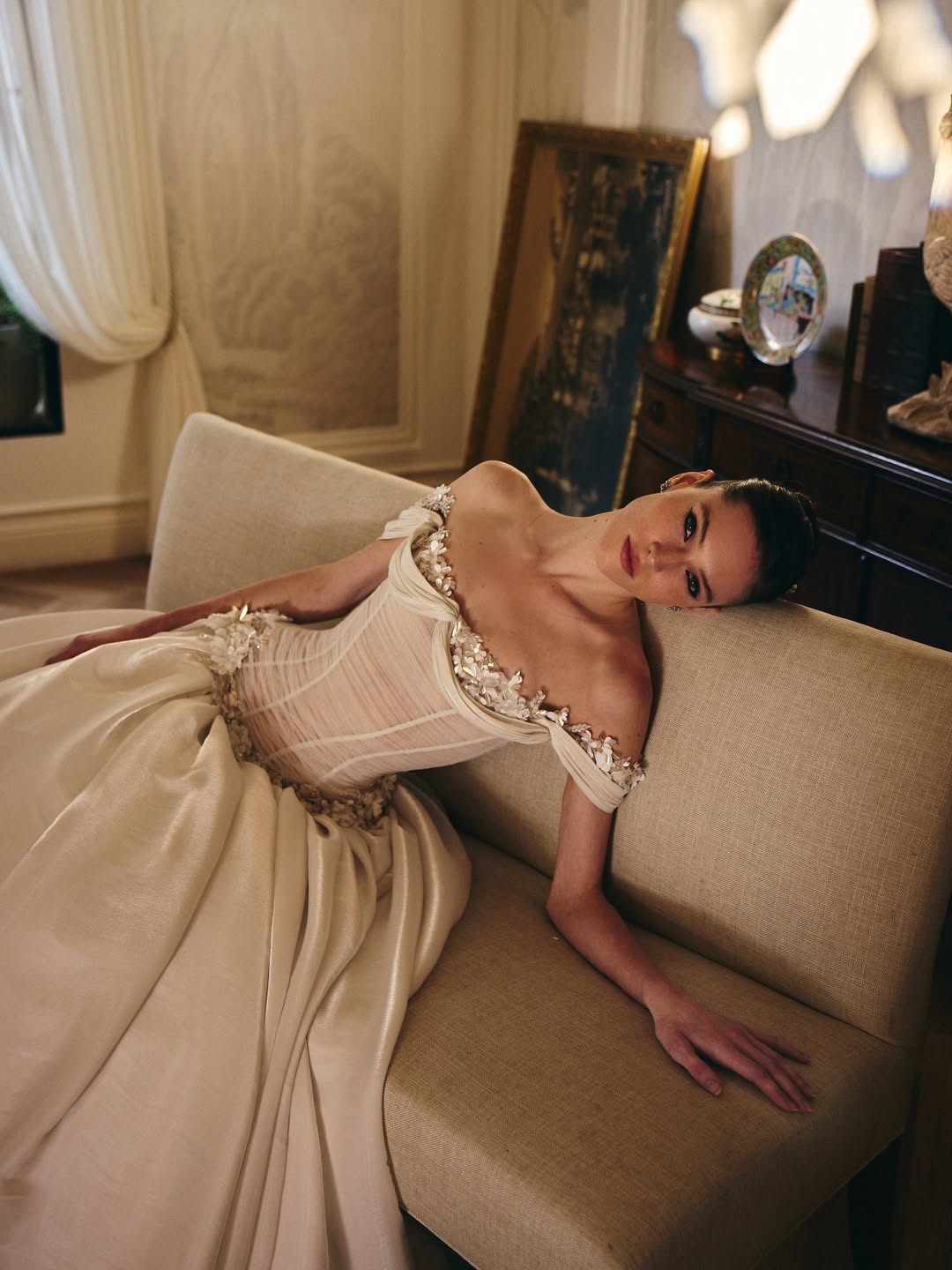
Indoor window light behaves differently from outdoor sunlight. It’s more directional, creating bright spots and shadows instead of even lighting. Big windows each have their own qualities: morning light is cool and clear, afternoon light is warmer, and cloudy days give soft, gentle light. Knowing how light changes in your chosen space helps you pick the best time for photos and decide where to place your subjects.
| Light Source | Quality | Best For | Timing Considerations |
|---|---|---|---|
| Large Windows | Directional, dramatic contrast | Editorial portraits, sculpted lighting | Morning or late afternoon for angle |
| Diffused Skylight | Soft, even, flattering | Detail shots, intimate moments | Consistent throughout day |
| Chandelier/Ambient | Warm, atmospheric | Evening reception, mood shots | Works best as supplement, not primary |
| Mixed Interior | Variable, requires management | Creative lighting experiments | Test beforehand, bring modifiers |
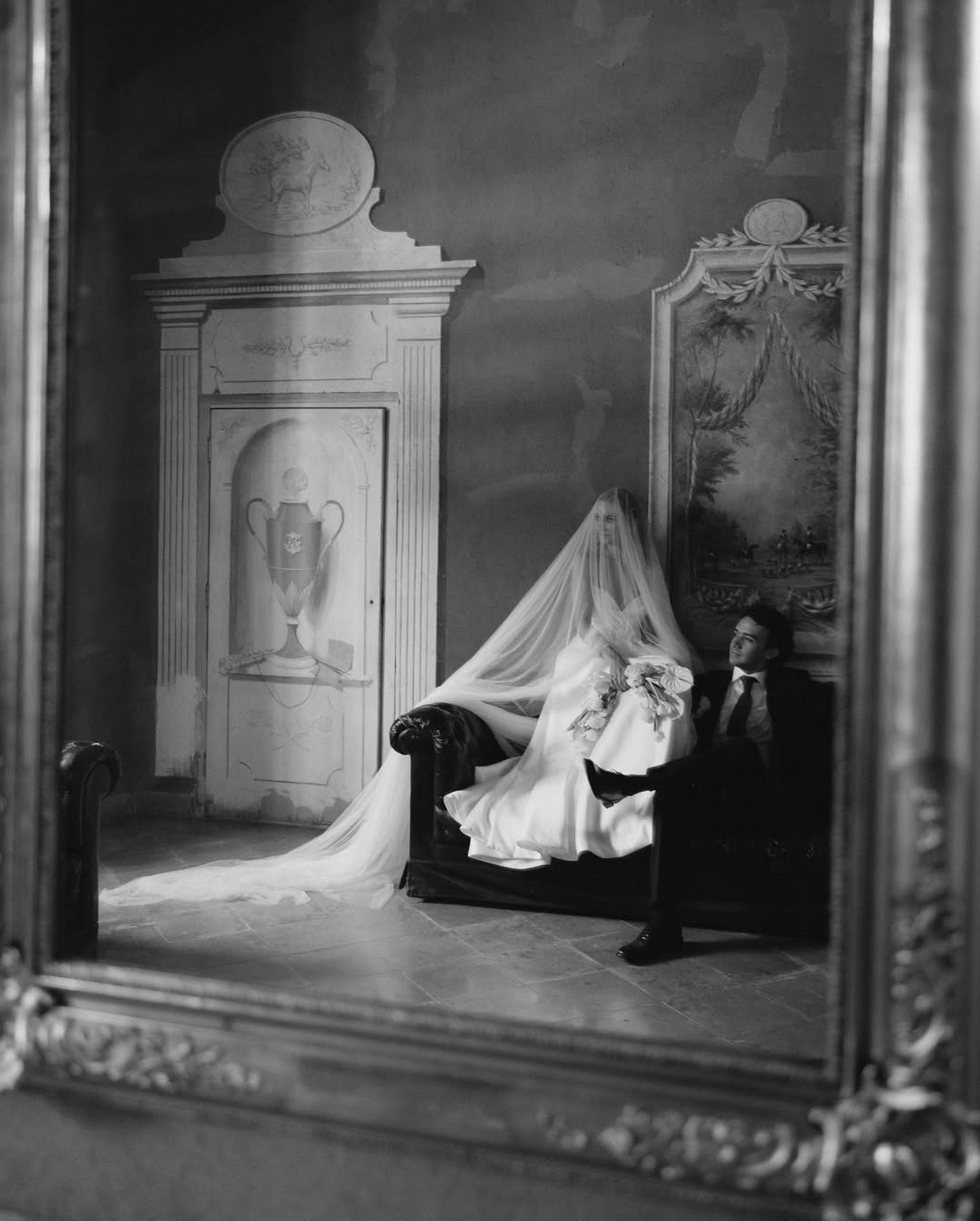
Shadows in indoor photos aren’t problems—they add interest and depth. A shadow on part of the face can make a photo more dramatic than flat, even light. Reflections in mirrors, windows, or shiny floors add layers and complexity without making the picture look busy. For example, Korean indoor pre-wedding shoots often use mirrors to show both the front and back of a dress, or to play with what’s real and what’s reflected, creating a dreamy effect. The mix of light and shadow lets you highlight certain details while letting other parts fade away, or create striking silhouettes against bright windows. These techniques work well in both studios and naturally lit rooms.

Quiet Editorial Moments
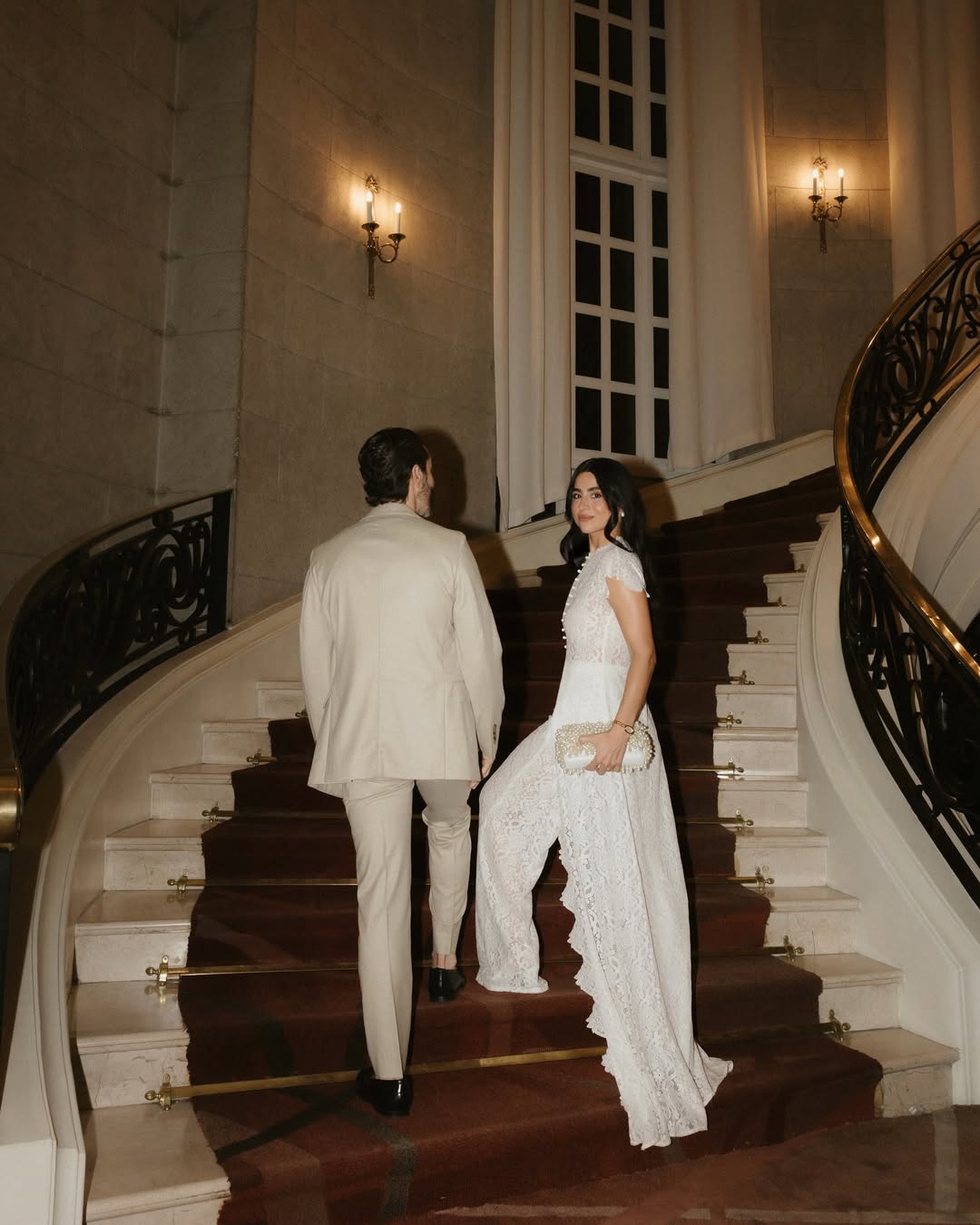
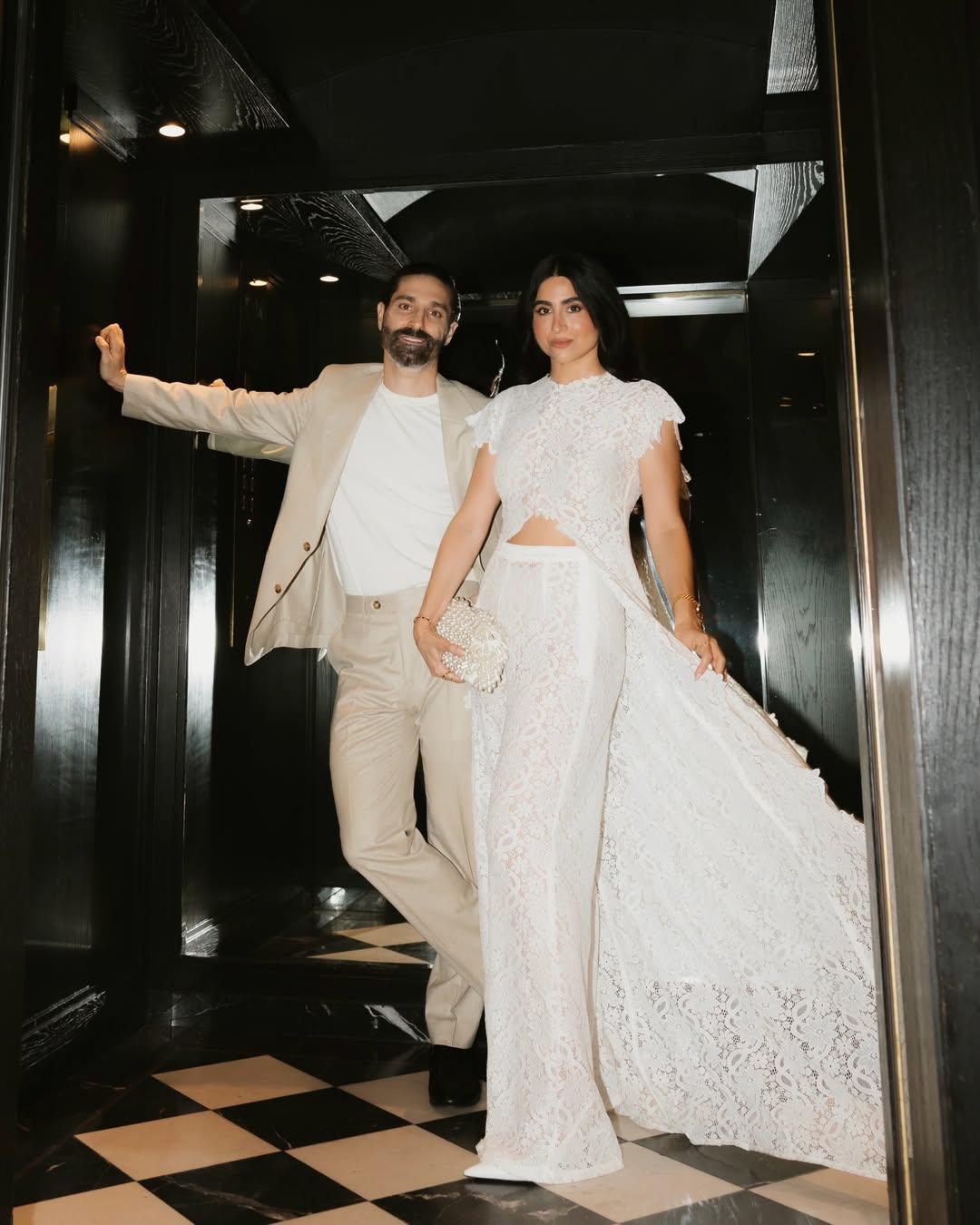
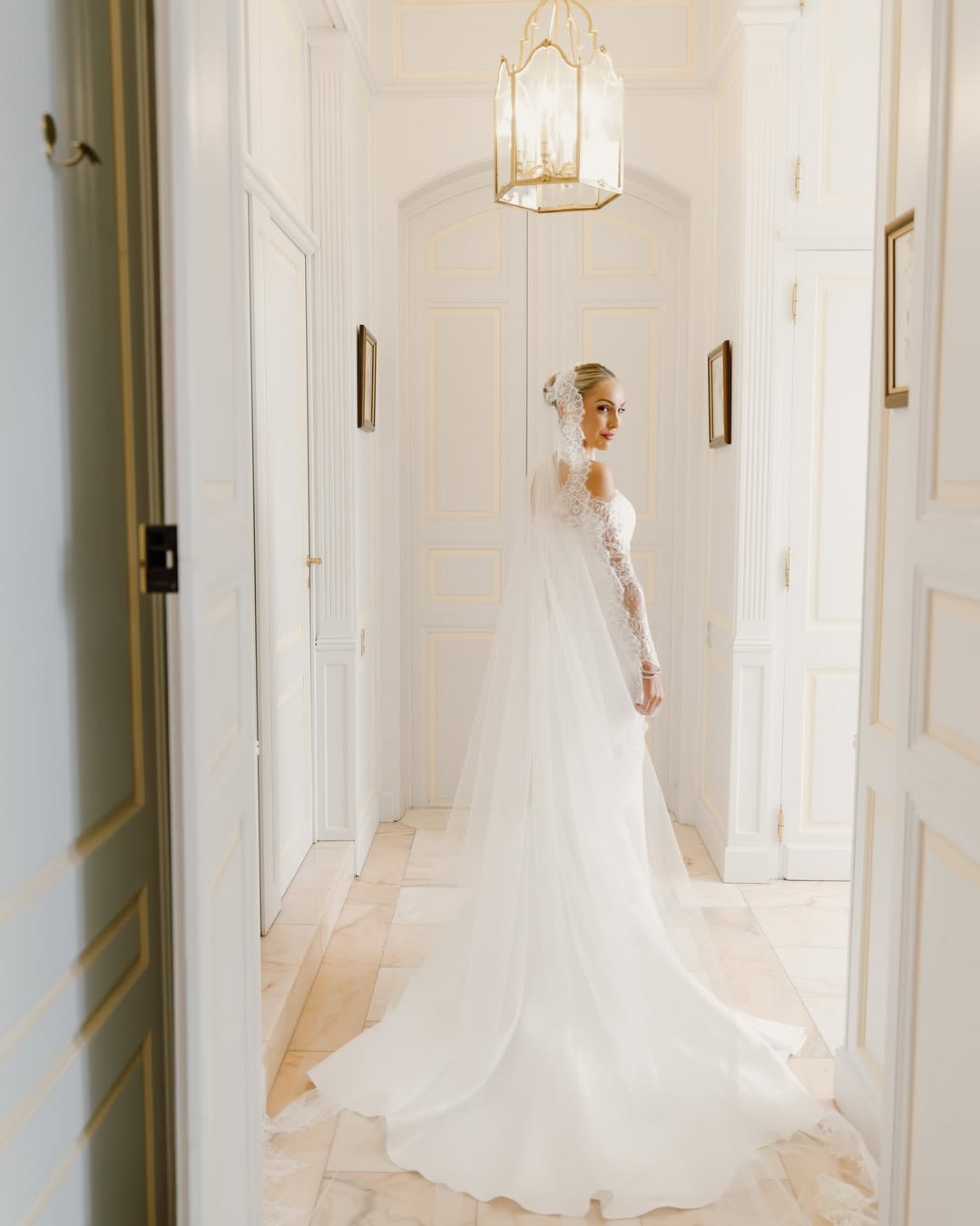
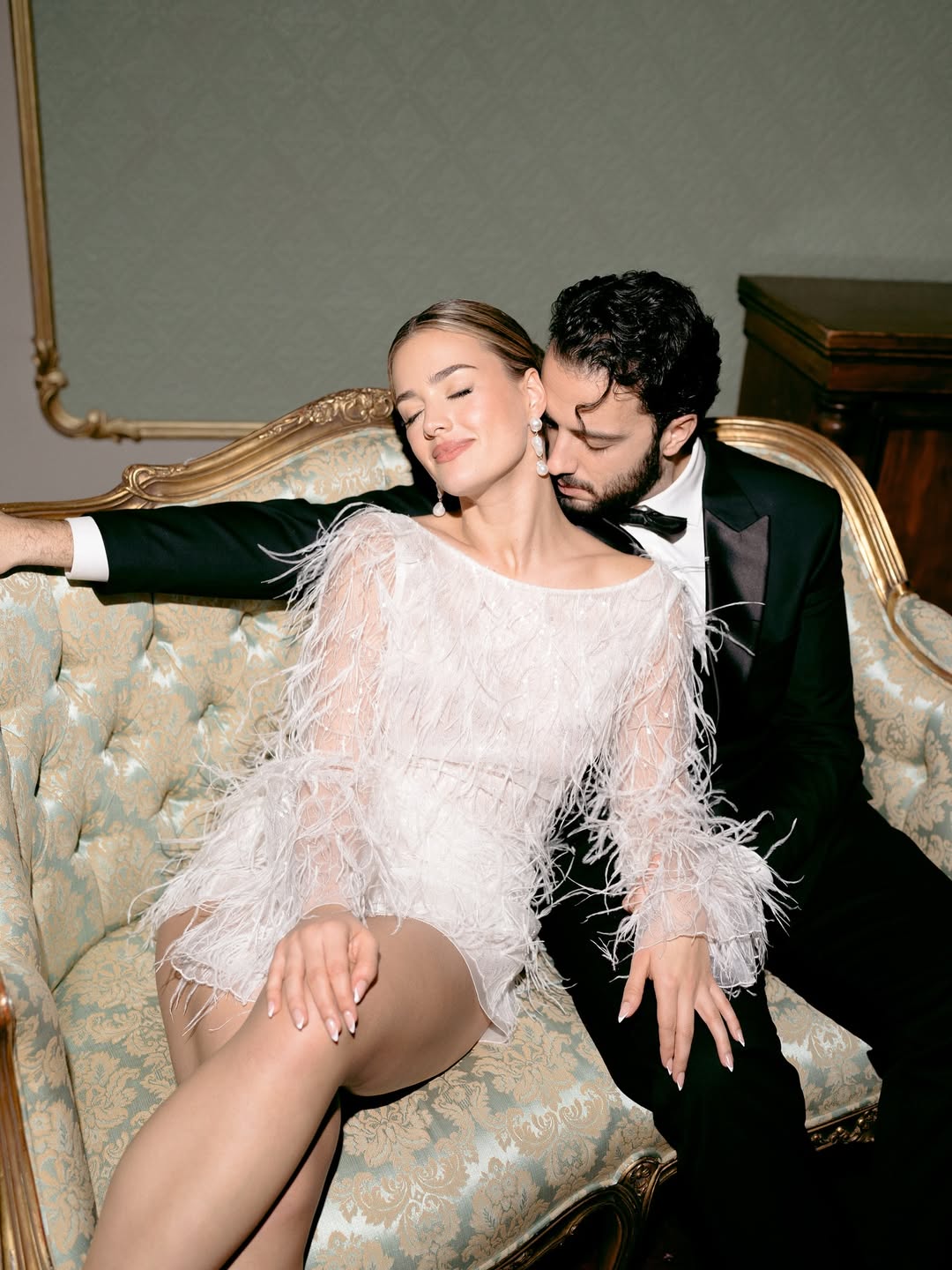
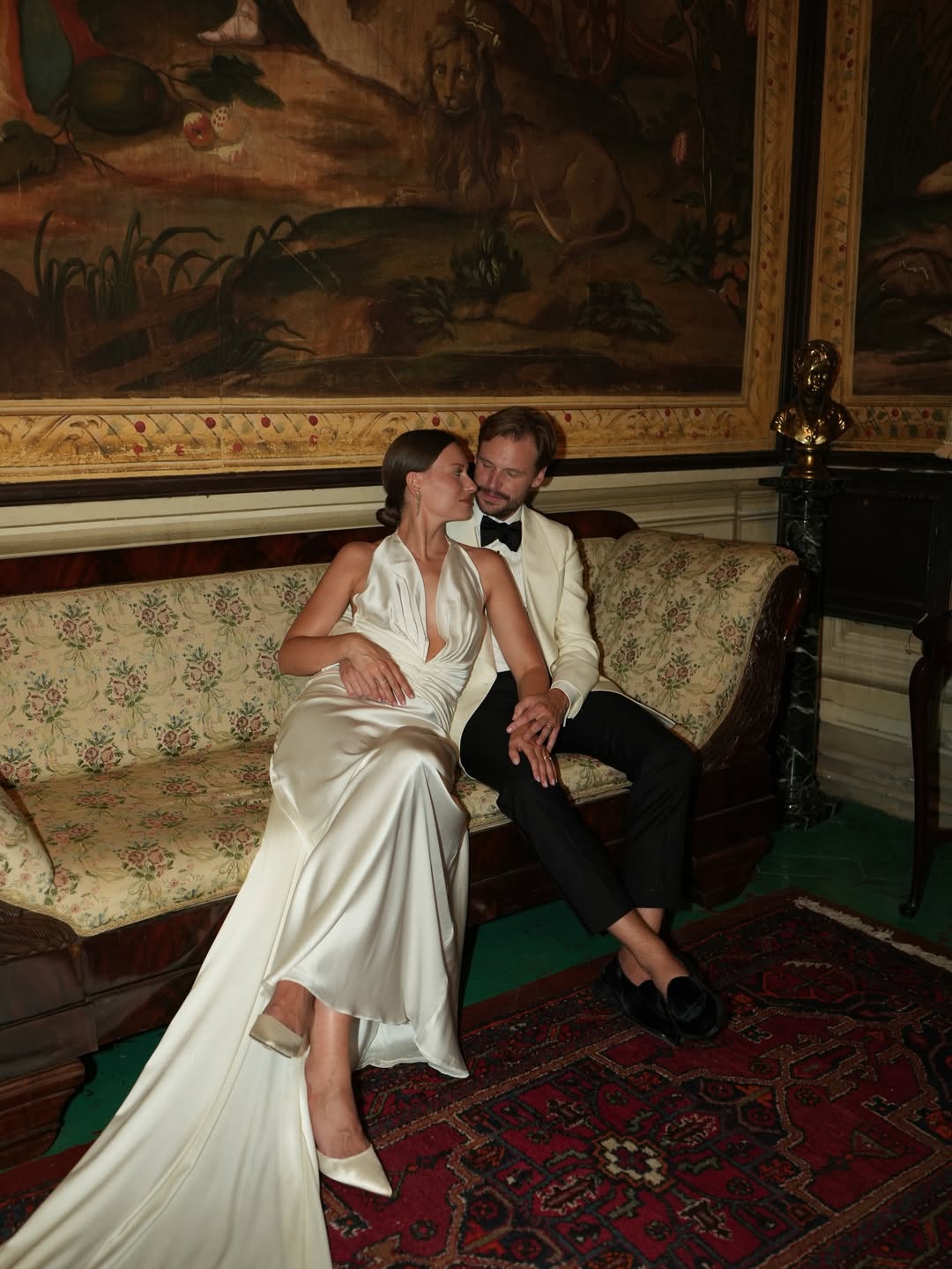
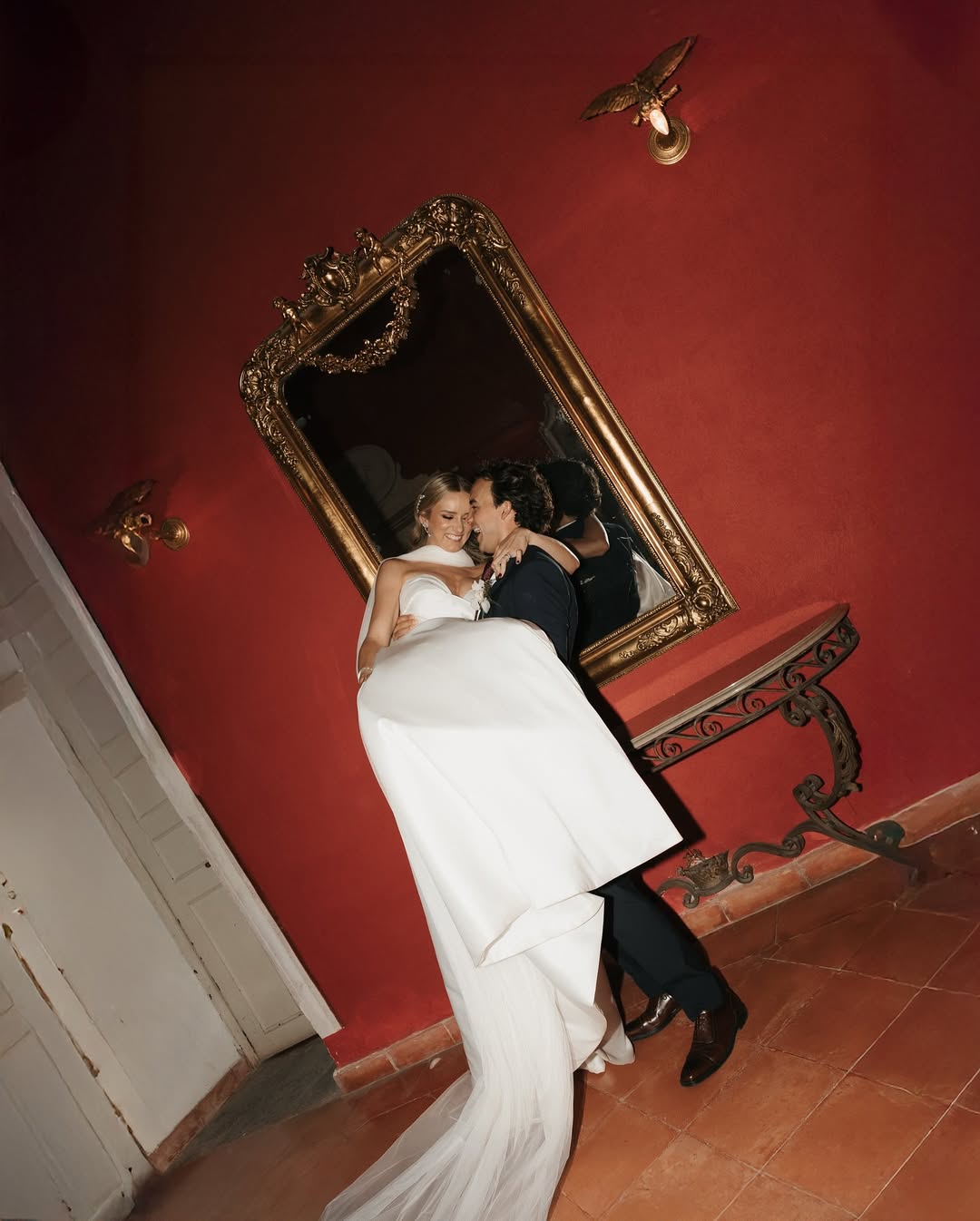
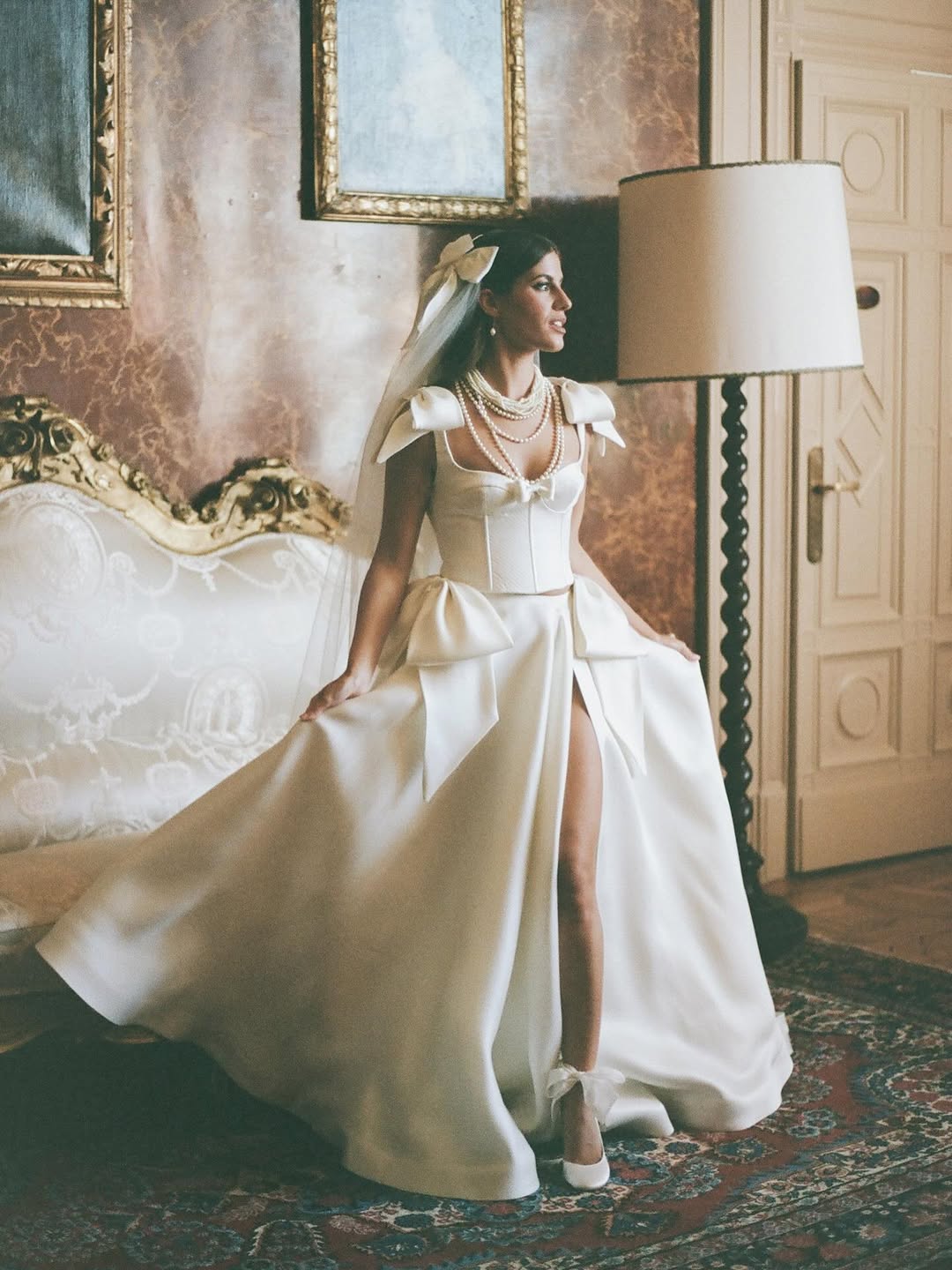
Indoor wedding photos are great at capturing quiet moments—those pauses when real emotion shows. Think of a bride alone in her dressing room or a groom fixing his cufflinks just before guests arrive. These private moments are easier to find indoors, where there’s more intimacy. The space itself adds to the photo: a velvet chair brings color and texture, an ornate mirror adds interest, and afternoon light through shutters creates patterns on the wall. When you treat the room as part of the story, your photos have more depth and meaning. Indoors, you’ll often take closer, more detailed shots that focus on expression, much like magazine editorials, where every image is carefully planned, and negative space is used for effect.
Fashion Energy Inside the Walls
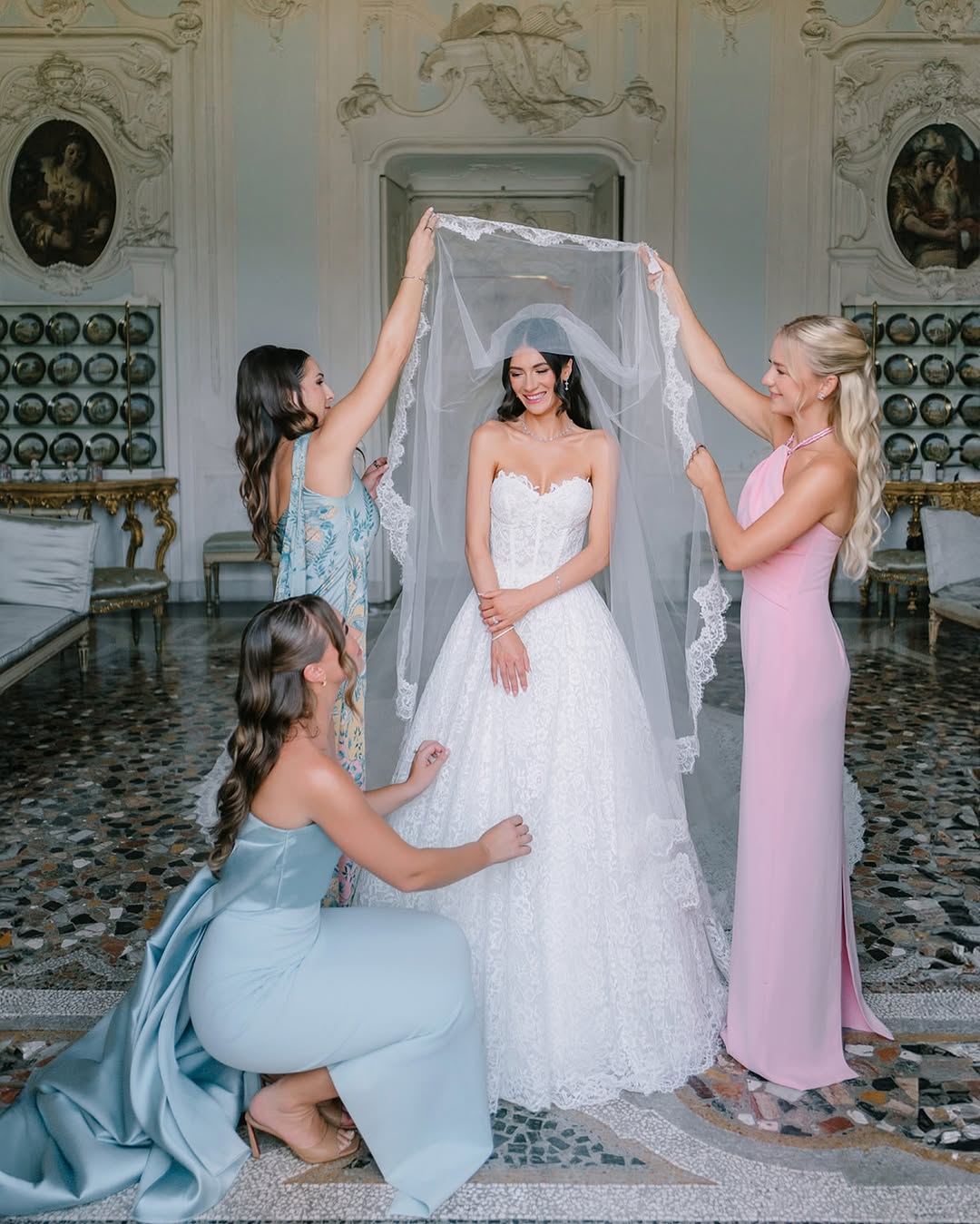
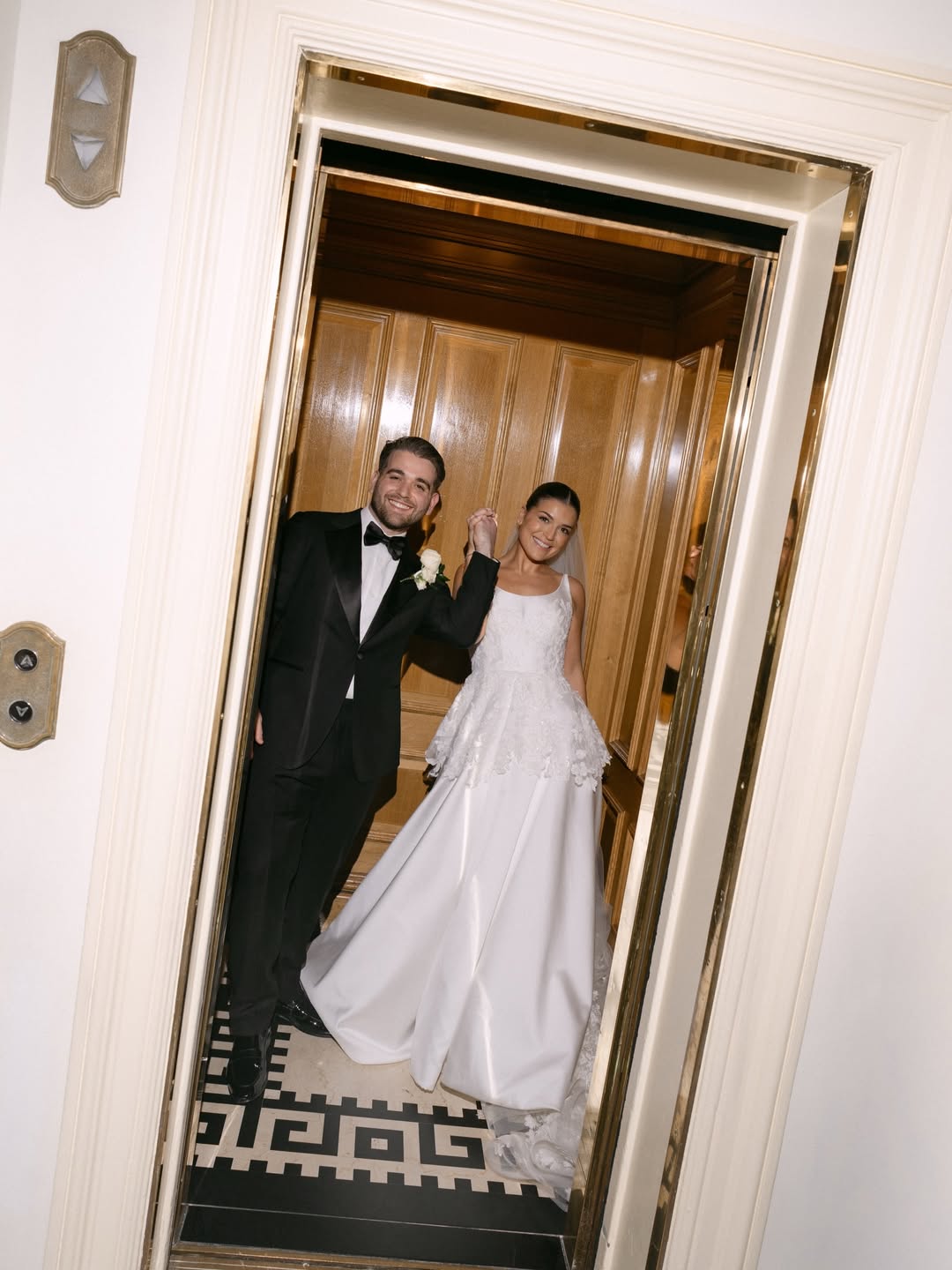
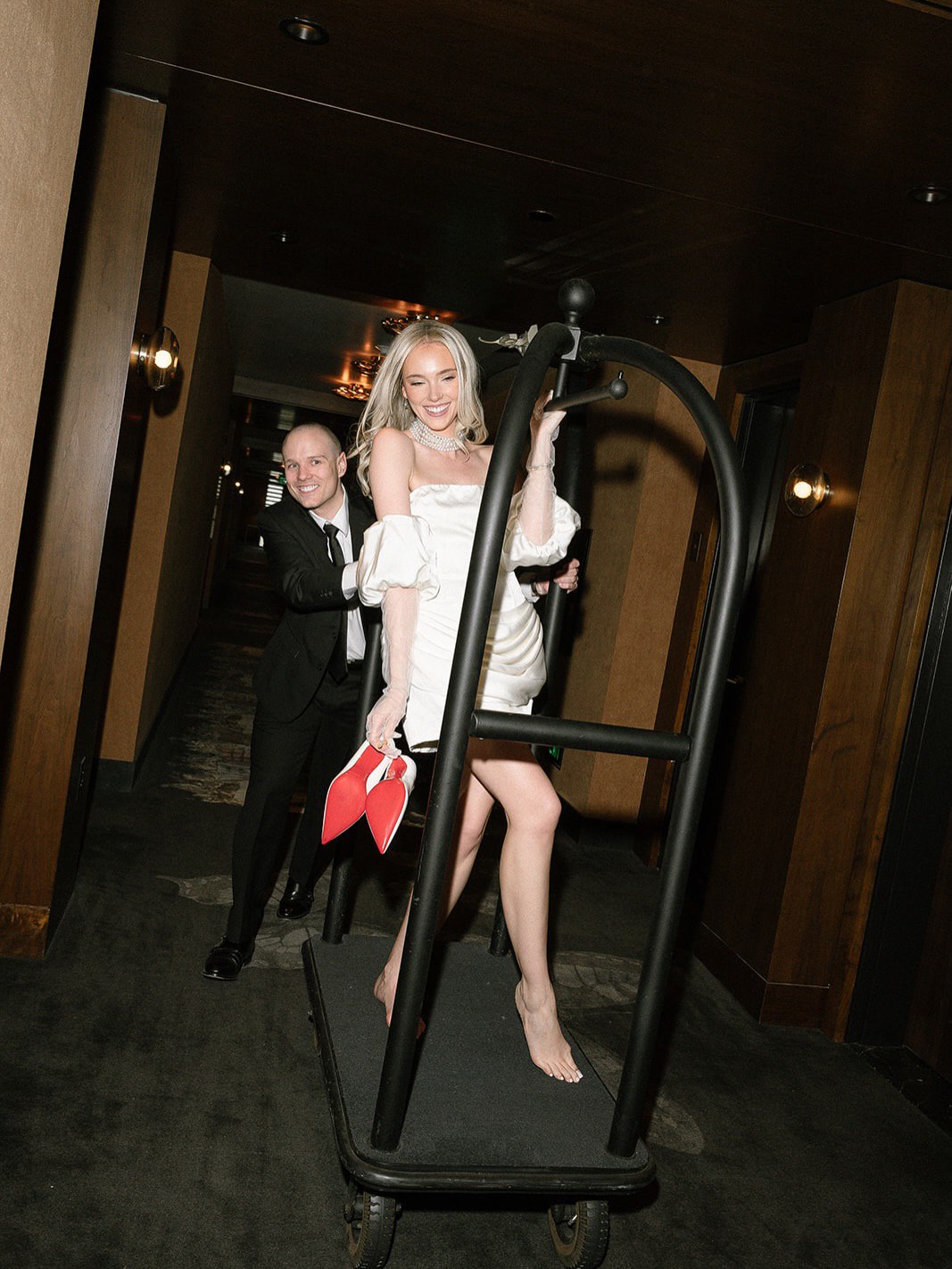
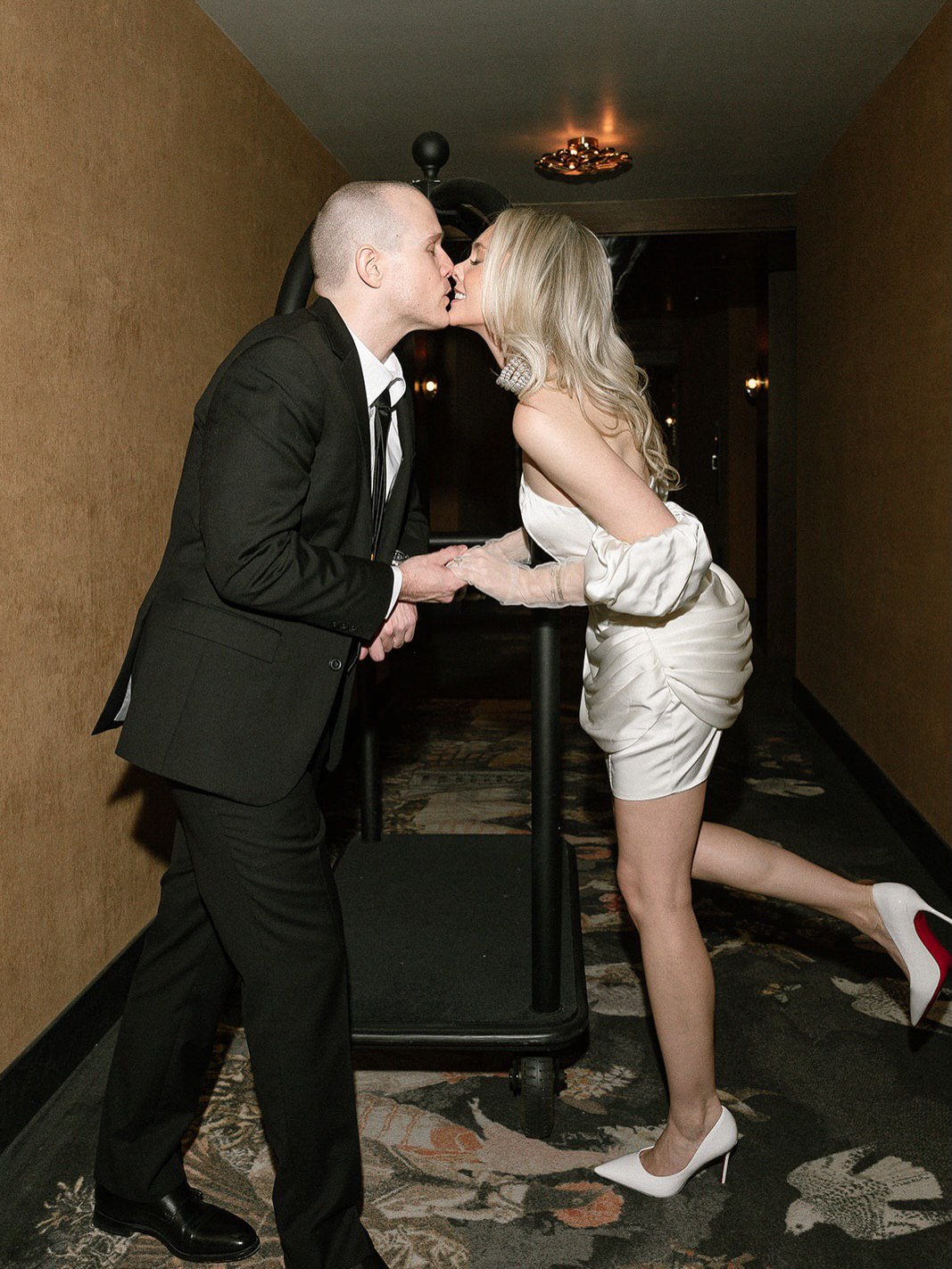
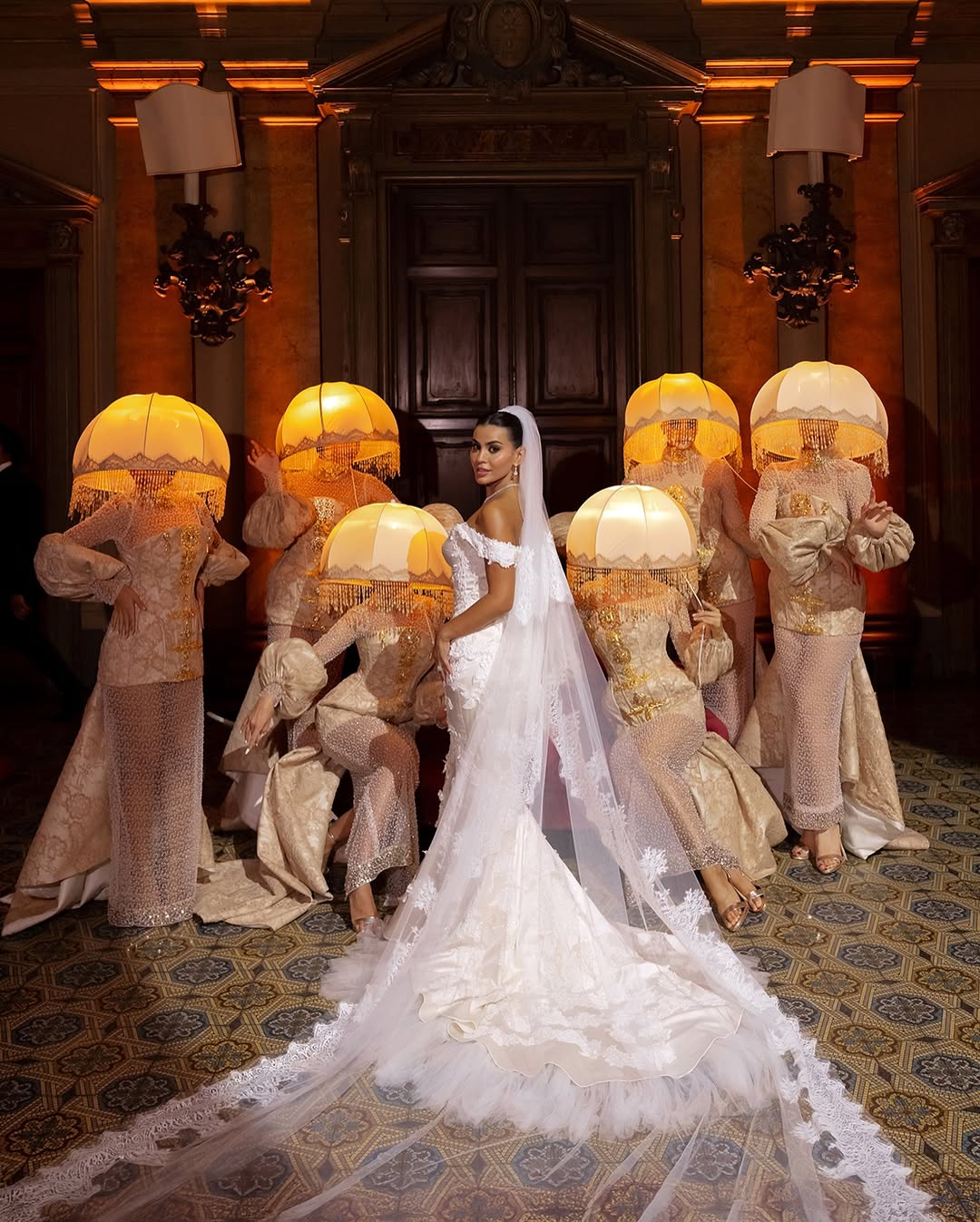
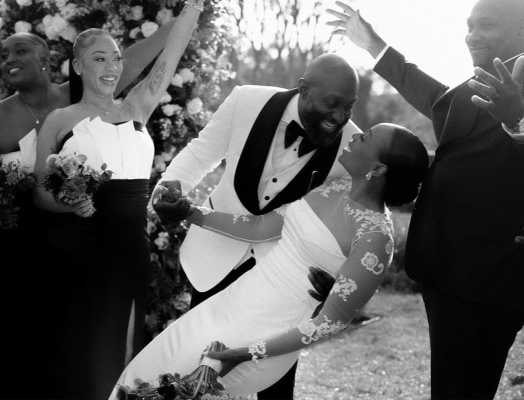
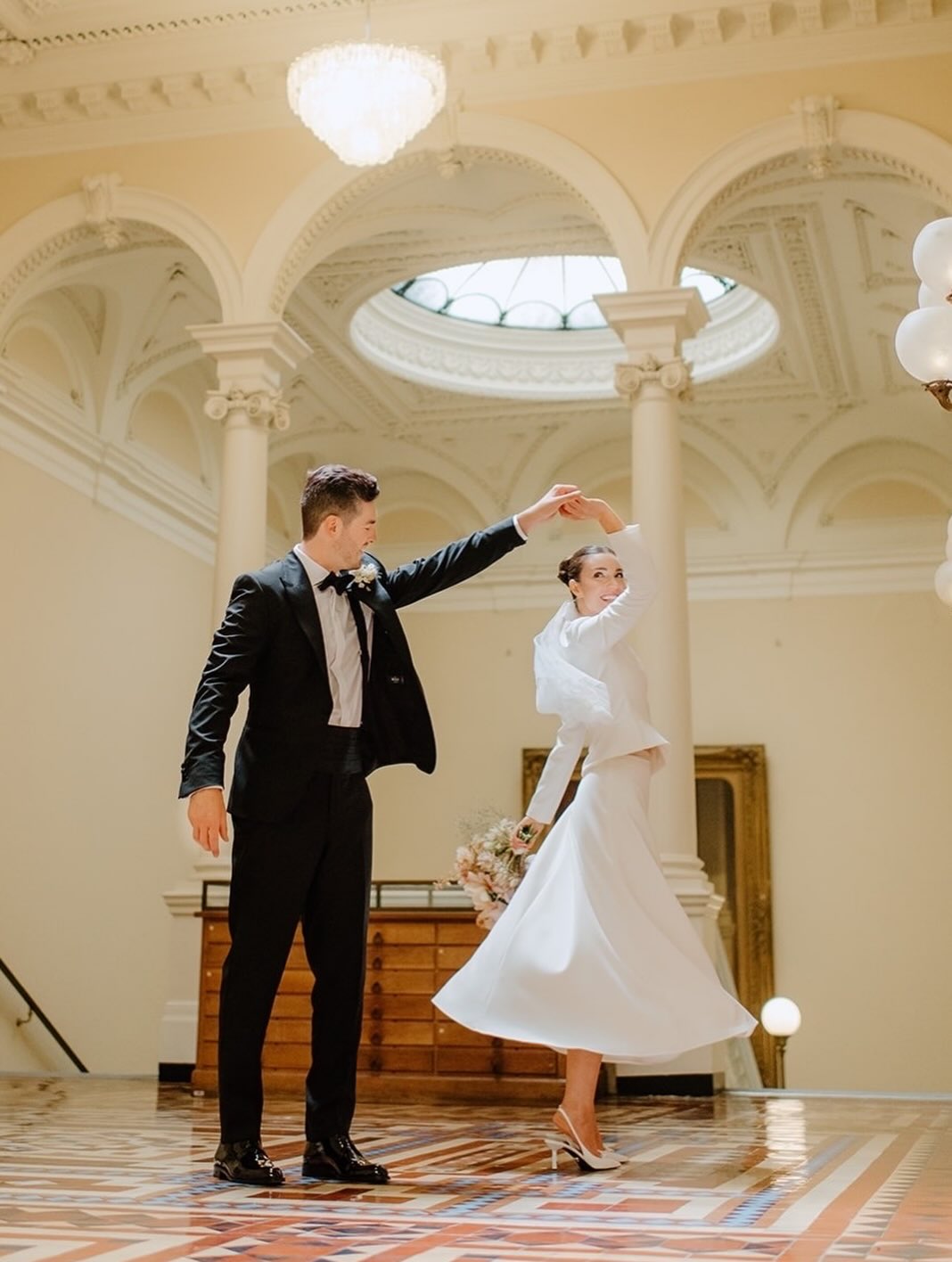
Indoor wedding photos don’t have to be still or serious. Hallways can become runways, staircases add variety in height, and old elevators with gates and brass details make unique spots for lively photos. Shots of a couple walking quickly, a bride spinning in her dress, or a group squeezed together in a small space all bring energy and closeness to your photo collection. Indoor wedding photographycan borrow from fashion photography by adding movement and personality. For example, a groom loosening his tie in a marble bathroom, bridesmaids laughing in a hallway, or a couple dancing in an empty ballroom all feel lively and real. Instead of stiff poses, use prompts like "come here," "look over your shoulder," or "turn and stop" to encourage natural movement and expression. The relaxed vibe of a post-wedding party works well indoors, with dim lighting and people enjoying themselves. Some shoots even play music or encourage dancing to capture that joyful, carefree feeling.
Interiors with a Point of View
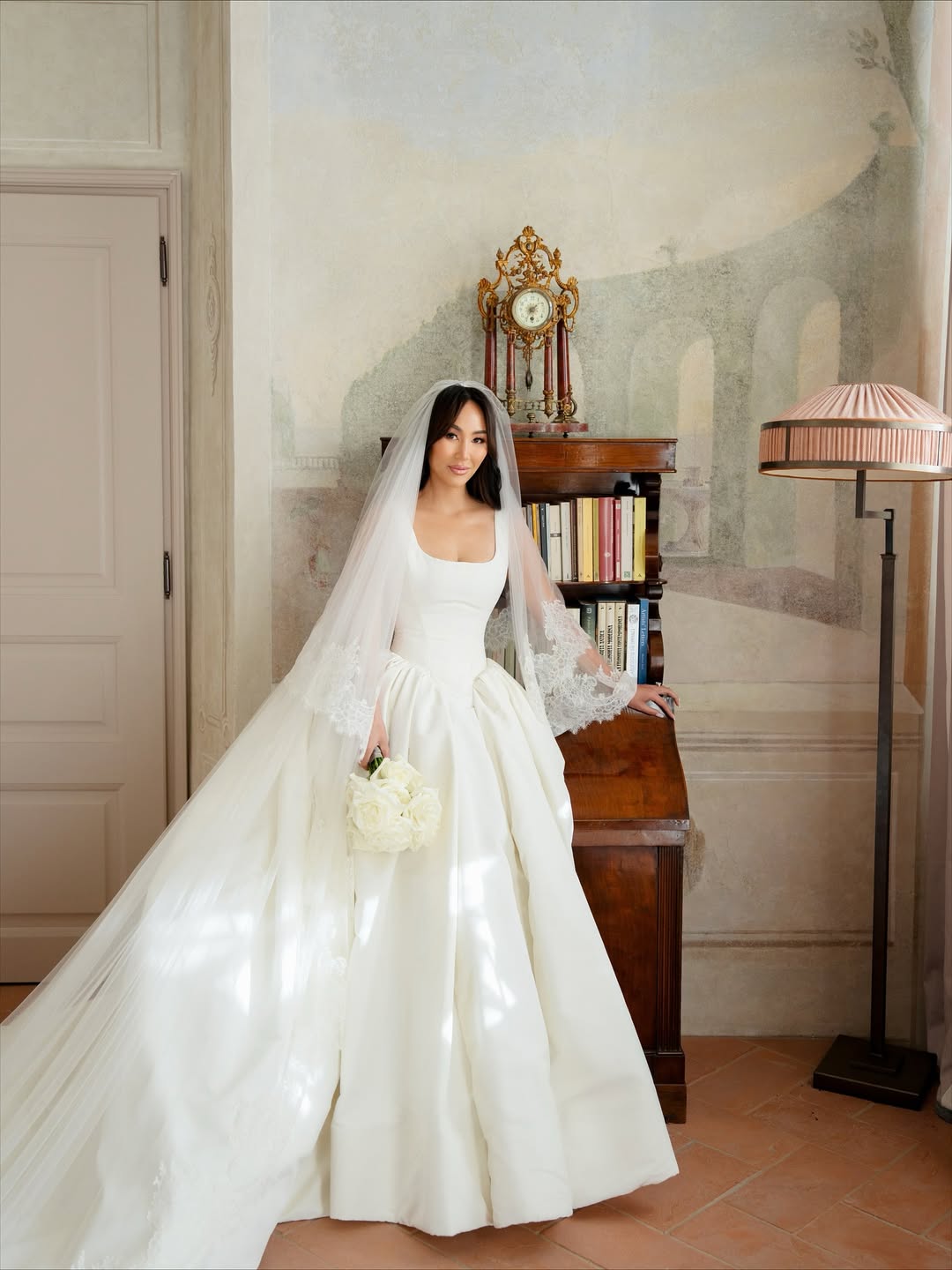
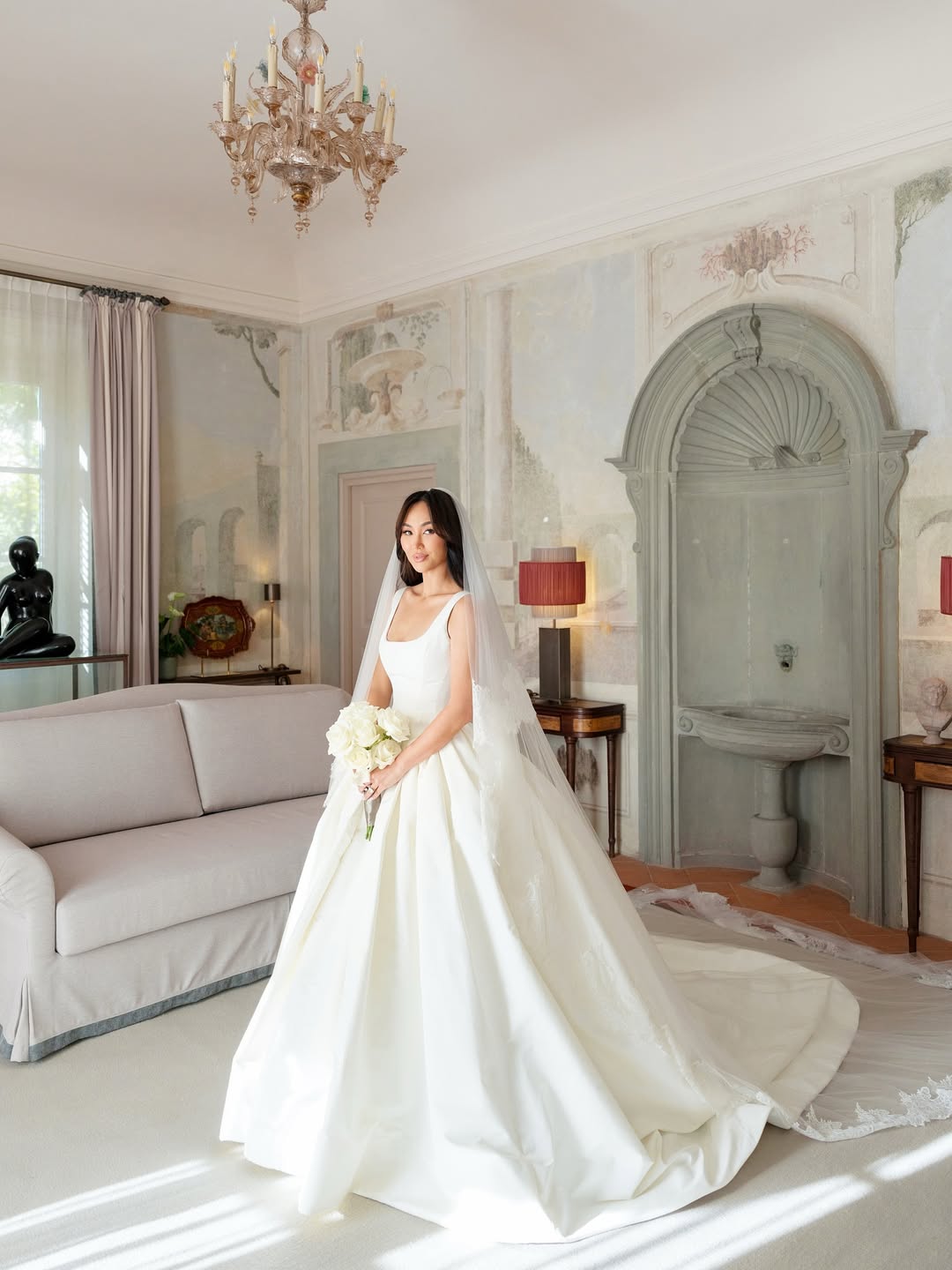
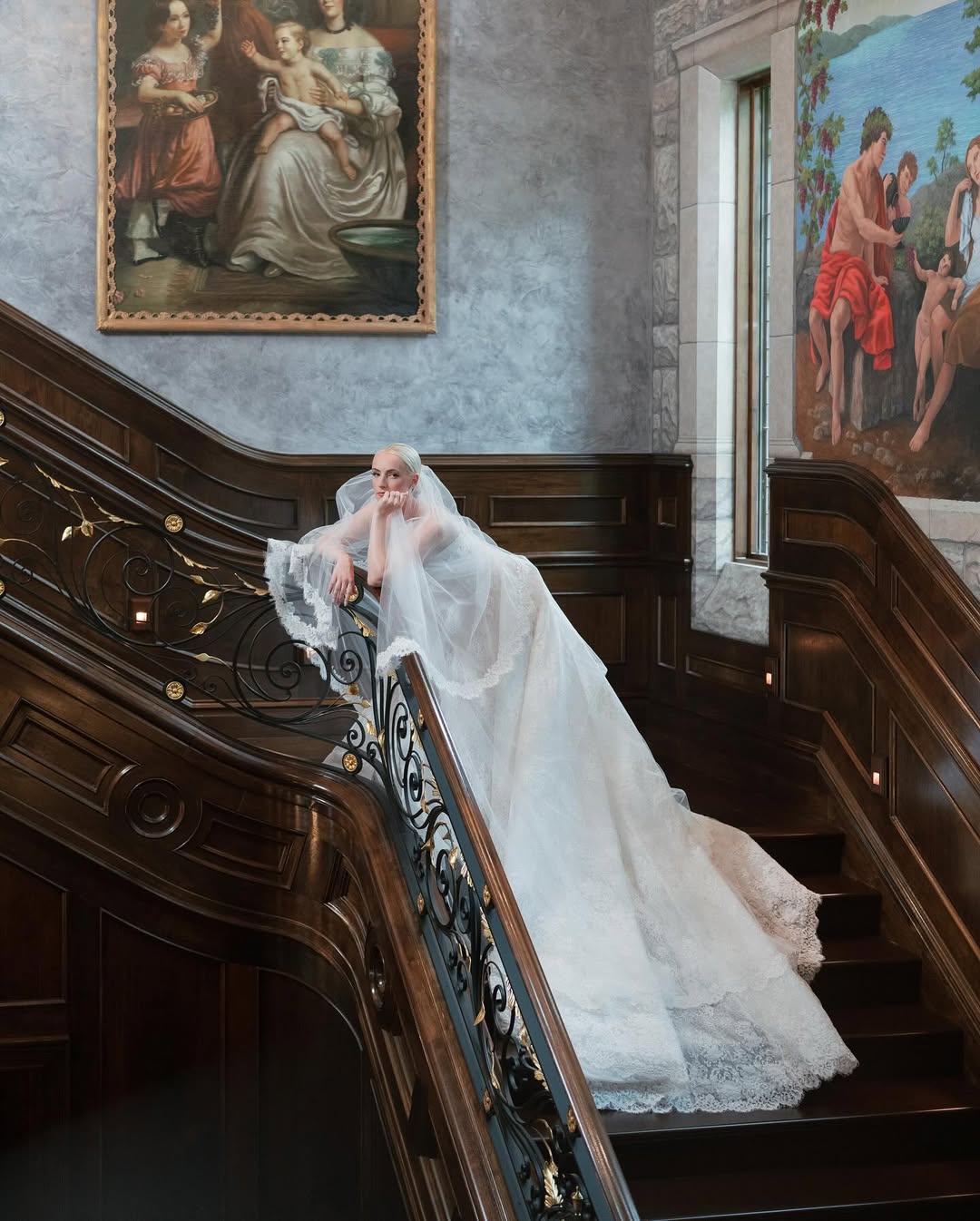
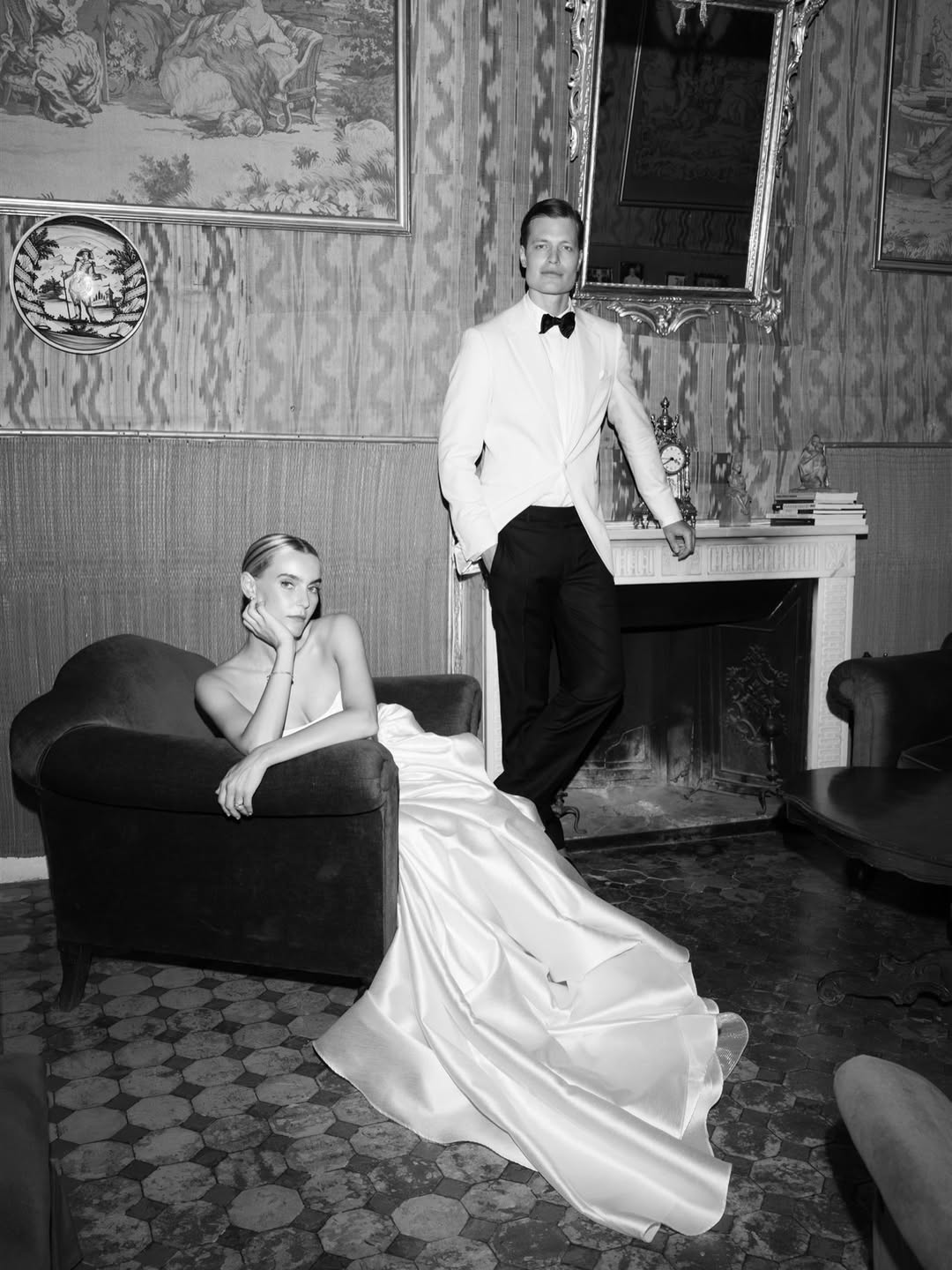
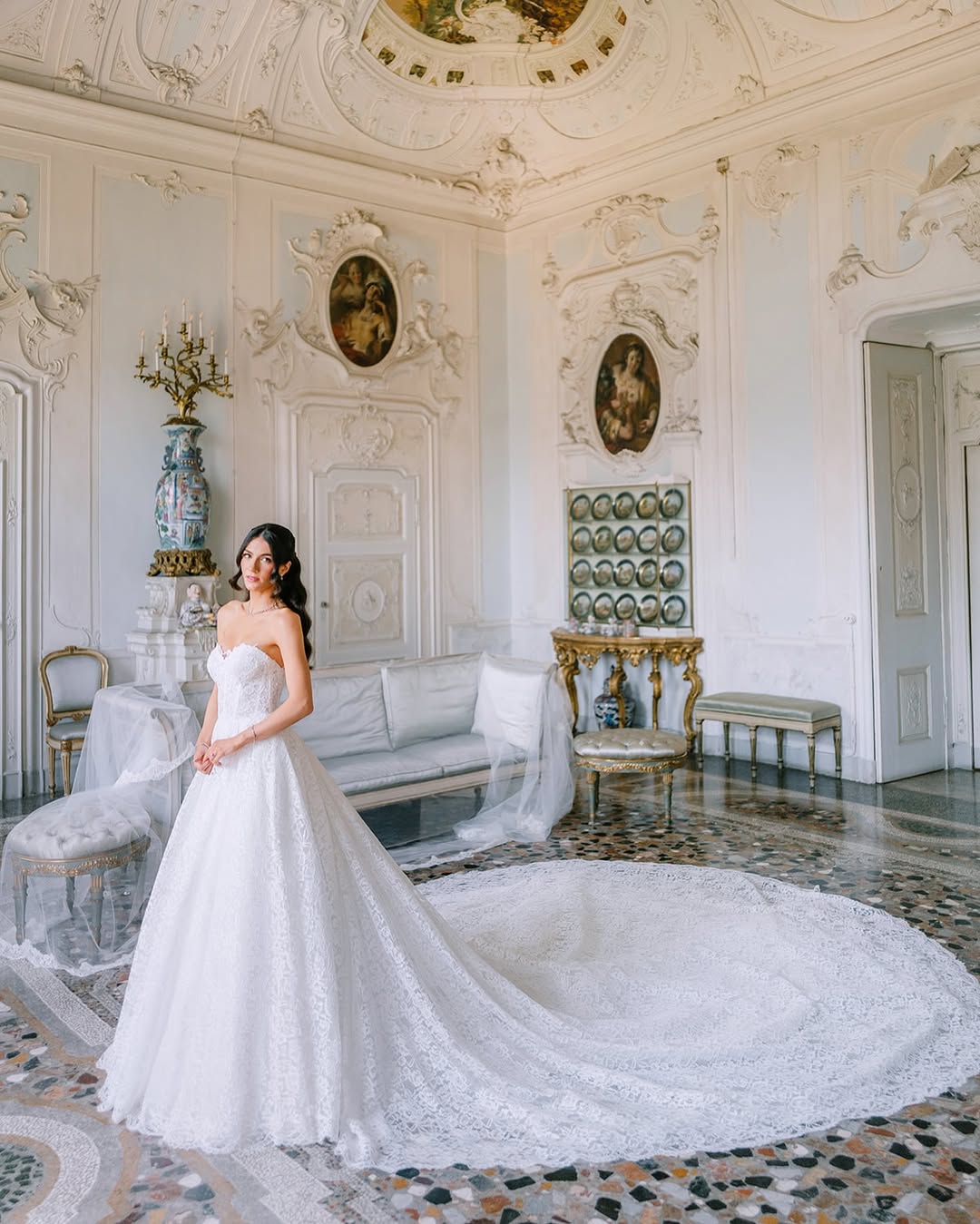
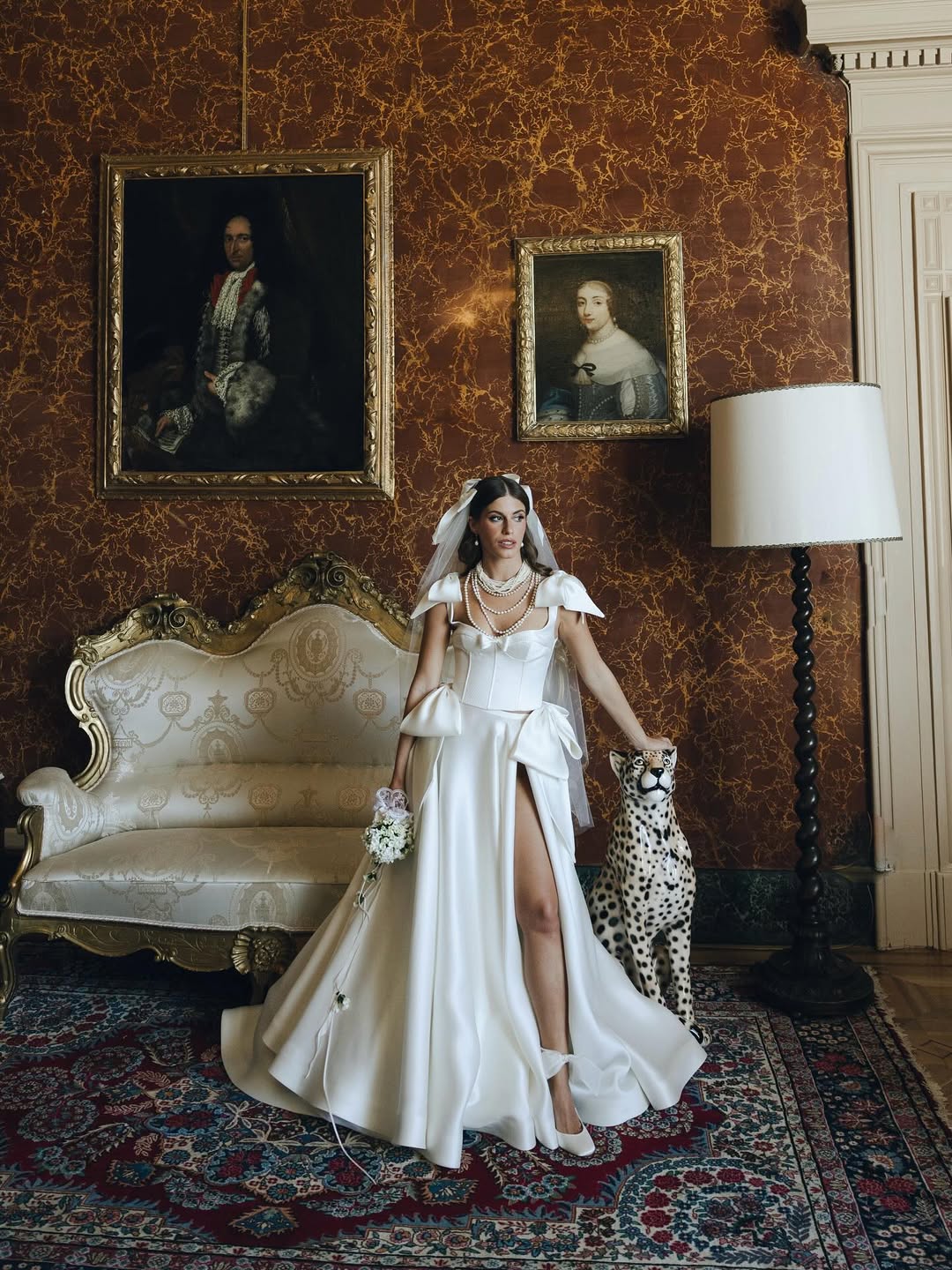
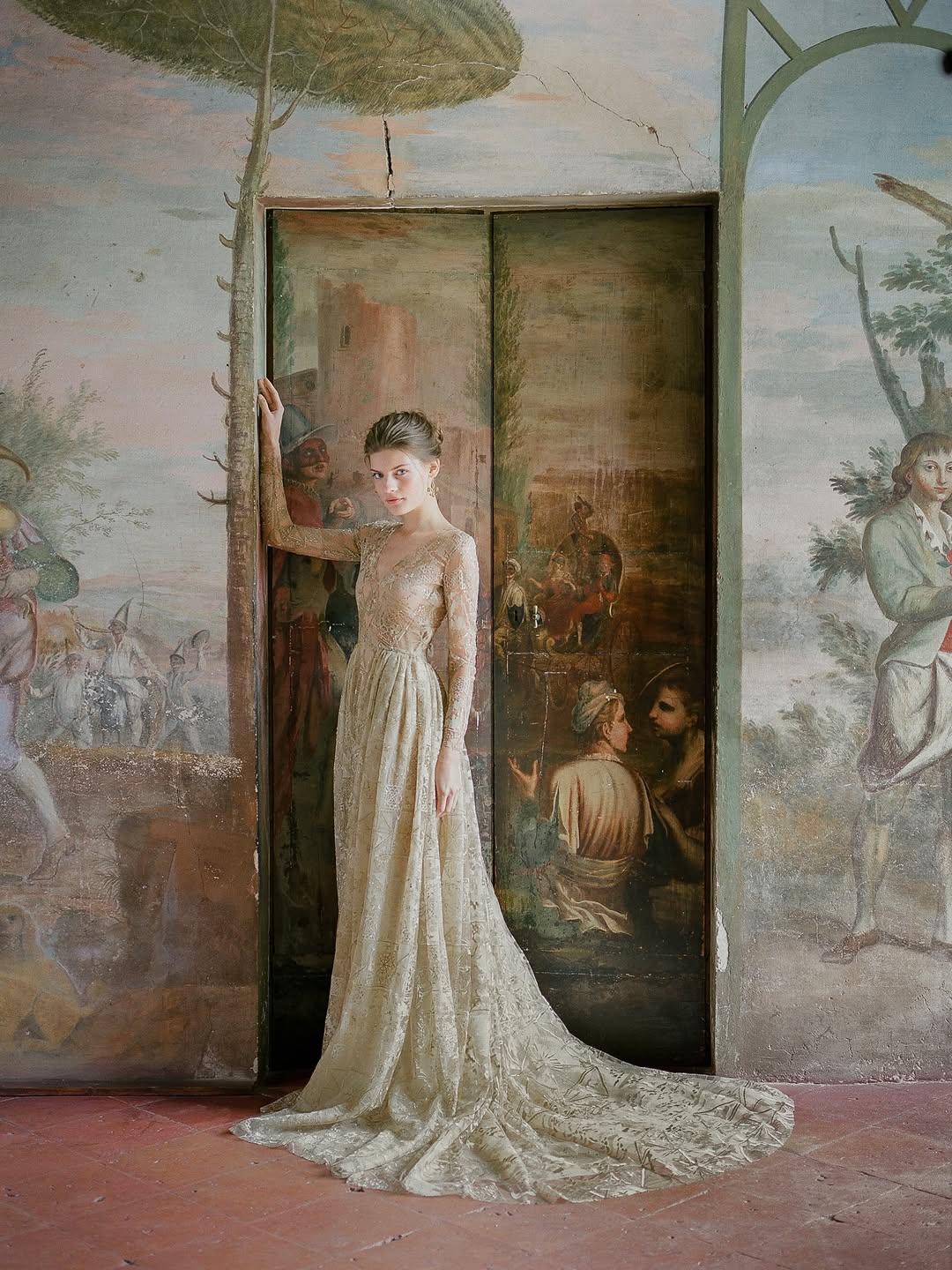
The best ideas for indoor wedding photoshoots make use of a space’s unique history and style. A minimalist gallery needs a different approach than a fancy palace, and an industrial loft feels different from a classic estate. When choosing a location, look for spaces that match your vision instead of trying to change a place that doesn’t fit. Pay attention to details like wallpaper texture, old brass fixtures, how light catches dust, or the color of the trim—these small things set the mood, even if people can’t always say why. Before the shoot, take time to notice these details and plan how to use or work around them.
- Architectural details: moldings, archways, columns that provide framing
- Material textures: marble, wood, fabric, metal that add visual and tactile interest
- Color palettes: existing colors that should be complemented or contrasted
- Historical elements: period details that add authenticity and depth
- Modern interventions: contemporary additions in historic spaces, creating tension
Photoshoots in spaces with strong character—like mid-century modern, gothic, industrial, or richly decorated traditional rooms—offer more interesting visuals than plain, empty spaces. The room's unique style becomes part of your story, not just a blank background.

FAQ
Is an indoor wedding photoshoot suitable for modern weddings?
Absolutely. Indoor wedding photography fits today’s love for simple, stylish images. Many couples want the clean lines, even lighting, and modern feel that interiors offer. The trick is to pick places with a modern look or give classic spaces a fresh twist—think minimalist decor, lots of open space, and strong shapes. Studio shoots are great for this style because you can shape the space exactly how you want.
How to keep indoor photos dynamic and not staged?
Adding movement helps photos feel natural, not stiff. Instead of just posing, try walking, turning, dancing, or interacting. Include real activities, like making drinks, fixing clothes, or sharing a laugh. Change up your angles—shoot from above, below, through doorways, or use mirrors. Let the room’s design add layers and depth, instead of just standing against a wall. Choose poses that show real connection, like holding hands, leaning together, or looking at each other. The best energy comes from mixing up your shots and encouraging real moments, not complicated poses.
Do historic interiors limit styling choices?
Historic interiors don’t limit your style—they help shape it. When a space has a strong character, it’s best to work with it instead of against it. In fancy, old settings, let the architecture stand out and keep extra decorations simple. You can still be creative: try a modern, simple look for contrast, or match the era's style for a unified feel. These so-called limits actually make choices easier, since the space itself guides what works best.
Can indoor wedding photos feel light and airy?
Definitely. You can makeindoor wedding photos feel light and airy by using a few simple tricks. Place your subjects near windows to get the most natural light. White or light walls help bounce light around the room. Shoot during the brightest part of the day, and keep the background uncluttered to make the space feel bigger. Look for places with high ceilings, big windows, or lots of light colors. With the right approach, indoor photos can feel just as open as outdoor ones, and you’ll have the bonus of consistent lighting all day.
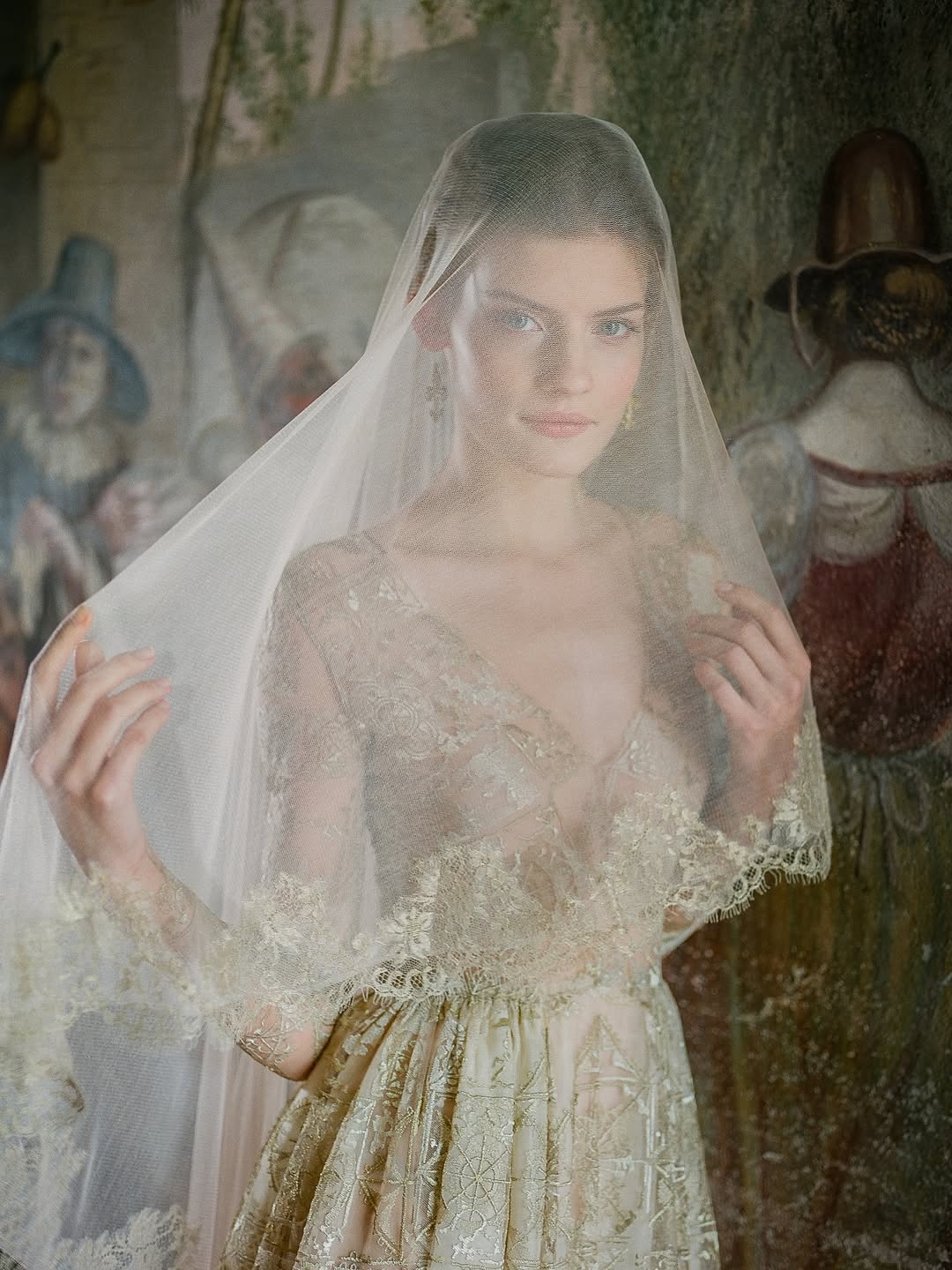
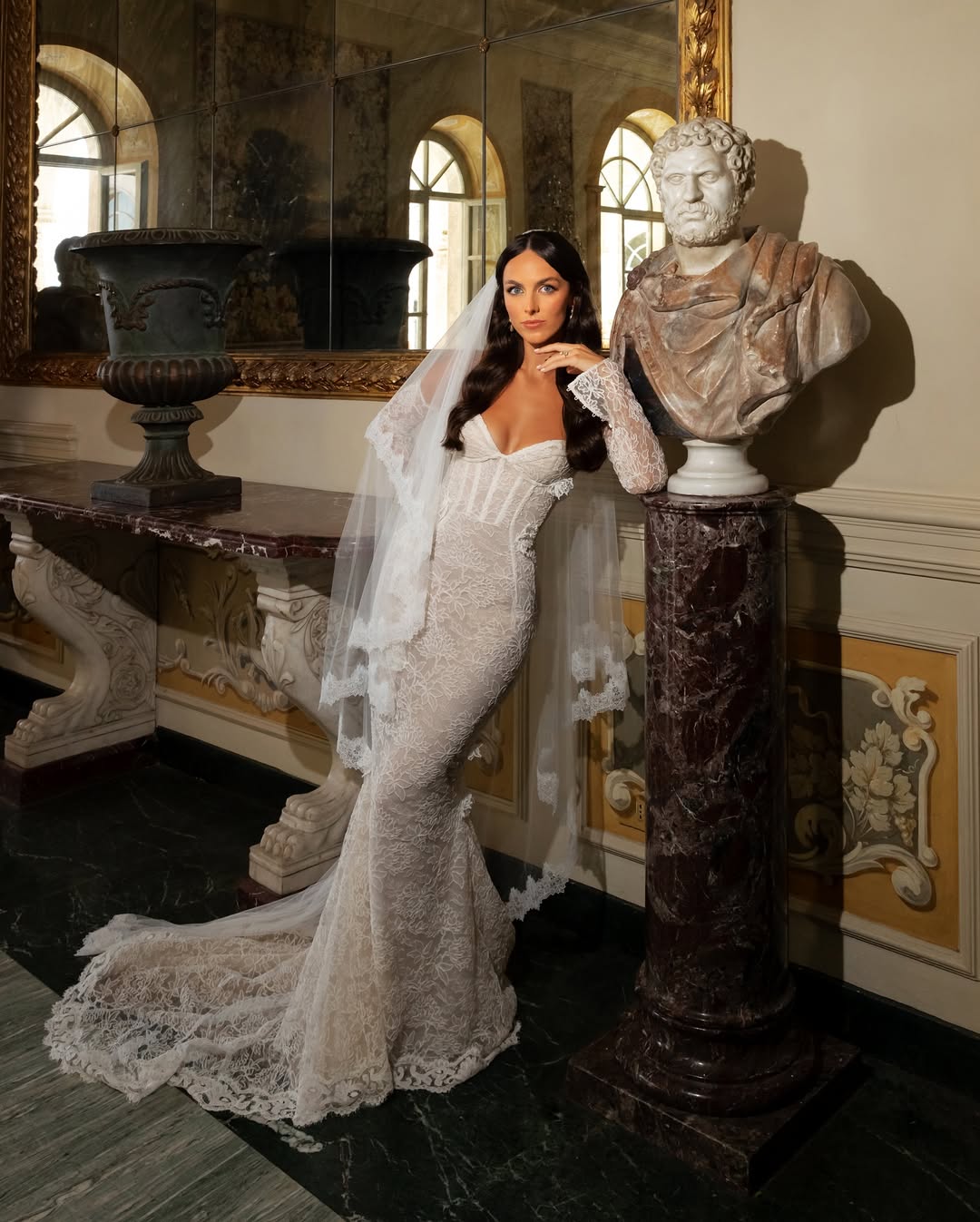
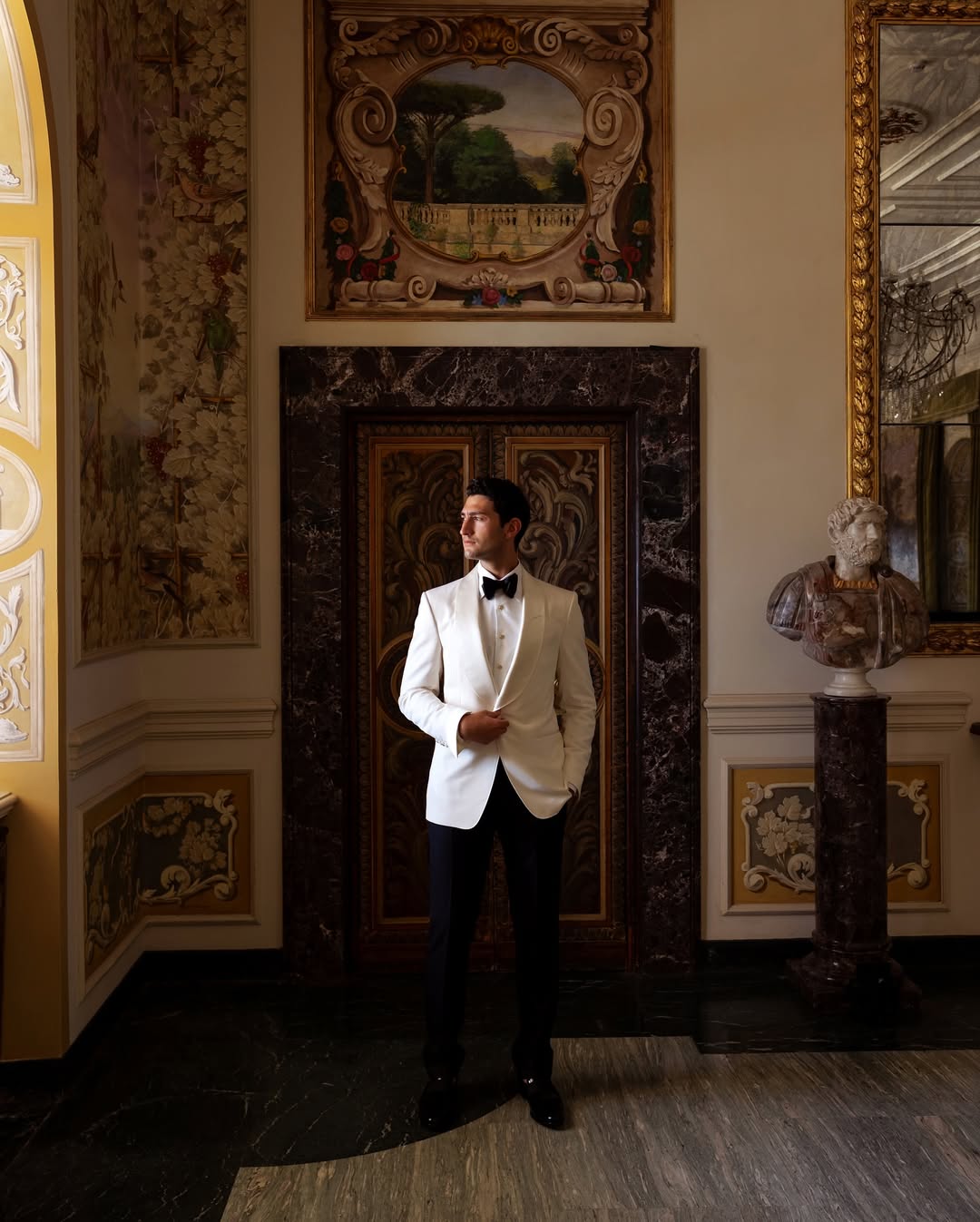
Indoor wedding photography shows that working within limits can spark creativity. The smaller space, steady lighting, and unique architecture help you create thoughtful, intentional photos. Unlike outdoor shoots, you can plan every detail indoors—knowing the light and space lets you make the most of the location. These photos have a timeless feel because they aren’t affected by weather or changing seasons. Years later, they still look just as powerful, thanks to the lasting impact of good light, strong composition, real emotion, and a sense of place. The best indoor wedding photos go beyond just being "indoor shots"—they’re carefully crafted, stylish, and show a deep understanding of how space, light, and people come together to make lasting images.